Artificial intelligence is no longer limited to smartphones, cars, or office software. In 2026, AI has become a central part of modern home design, especially in kitchens. What was once a simple cooking space has evolved into an intelligent, adaptive, and deeply personalized environment. AI kitchen designs in 2026 focus on efficiency, sustainability, health, and seamless user experience, transforming how people cook, eat, and interact with their homes.
This article explores the top 10 AI kitchen designs in 2026 that are redefining modern living. These concepts are not just visually impressive but also practical, data-driven, and future-ready. Whether you are a homeowner, interior designer, architect, or tech enthusiast, this guide will give you a clear understanding of where kitchen design is heading and how AI is shaping it.
How AI Is Transforming Kitchen Design in 2026
Before diving into specific designs, it’s important to understand the role AI plays in modern kitchens. AI in 2026 kitchens goes far beyond voice assistants. It combines machine learning, computer vision, IoT sensors, and predictive analytics to create kitchens that can think, adapt, and improve over time.
AI kitchens now learn user habits, optimize energy usage, monitor food freshness, suggest healthier meals, and even adjust lighting and layout automatically. These kitchens are designed to reduce waste, save time, and enhance everyday living without overwhelming users with technology.
Understanding the AI Kitchen Revolution
Before diving into specific designs, it’s essential to understand what distinguishes a truly AI-powered kitchen from merely smart or connected appliances. Traditional smart kitchens responded to commands and followed pre-programmed routines. AI kitchens learn from your behavior, anticipate your needs, and make autonomous decisions to optimize everything from energy consumption to meal preparation timing.
The most advanced systems utilize neural networks that process data from multiple sensors throughout the space. They analyze cooking patterns, dietary preferences, seasonal ingredient availability, and even biometric data from wearable devices to create a genuinely personalized culinary environment. This level of integration represents a quantum leap from the smart refrigerators and app-controlled ovens of previous years.
1. The Fully Autonomous Smart Kitchen
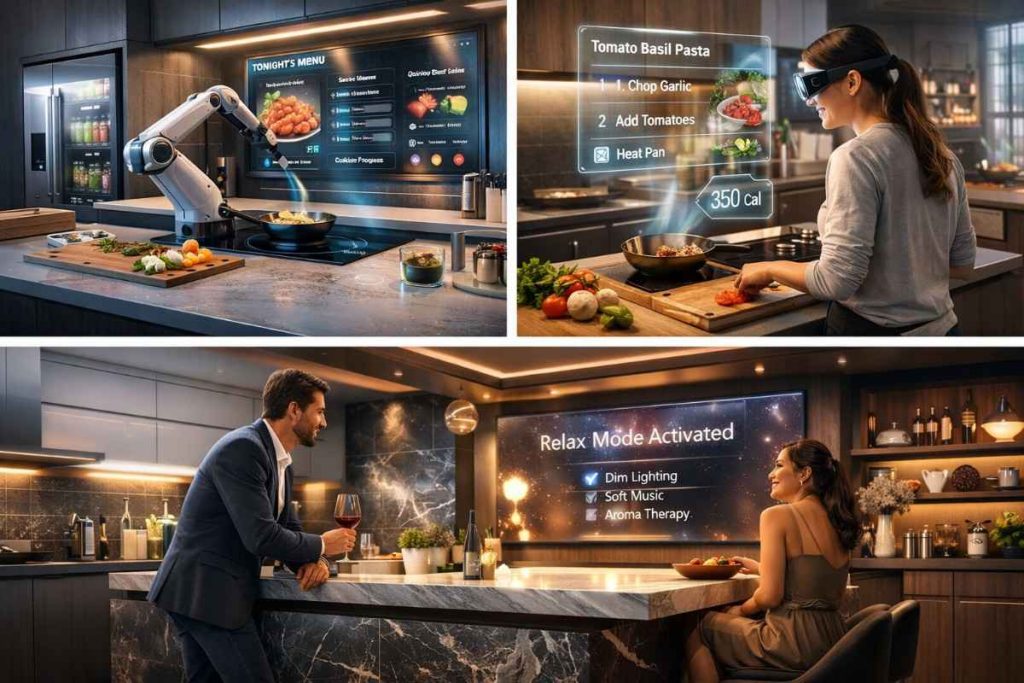
The fully autonomous AI kitchen is the most advanced concept in 2026. It operates with minimal human intervention while still giving users full control when needed. Every appliance is interconnected and guided by a central AI system.
This kitchen can automatically plan meals based on dietary goals, available ingredients, and calendar schedules. It preheats appliances at the right time, adjusts cooking temperatures in real time, and alerts users only when their attention is required. Over time, the system learns cooking preferences and improves efficiency.
What makes this design remarkable is its ability to manage the entire cooking lifecycle from grocery inventory tracking to waste disposal without feeling intrusive. It feels natural, intuitive, and incredibly efficient.
2. AI-Powered Minimalist Kitchen Design
Minimalism remains a strong design trend in 2026, but AI has taken it to a new level. AI-powered minimalist kitchens hide complexity behind clean lines, handle-less cabinets, and clutter-free surfaces.
Smart sensors embedded in countertops and cabinets allow users to access features through touch, gesture, or subtle voice commands. Appliances remain invisible until needed, and AI manages storage optimization by tracking item usage patterns.
This design is perfect for urban homes and apartments where space is limited. It combines aesthetic elegance with advanced intelligence, proving that powerful technology does not need to be visually dominant.
3. The Autonomous Sous Chef System
CulinaryAI’s Autonomous Sous Chef System represents perhaps the most ambitious attempt yet to fully automate complex cooking processes while maintaining the quality standards of professional kitchens. This design centers on a sophisticated robotic arm system with interchangeable tool attachments and precision control capabilities that rival human dexterity.
The robotic components work in concert with AI vision systems that can identify ingredients, assess their condition, and determine appropriate preparation methods. The system can autonomously execute multi-step recipes from start to finish, making real-time adjustments based on visual and thermal feedback.
When searing a steak, for instance, the AI doesn’t simply follow a timer; it uses infrared imaging to monitor internal temperature distribution and surface caramelization, adjusting heat levels and timing to achieve your specified doneness level with remarkable consistency.
4. Sustainable AI Kitchen with Smart Energy Management
Sustainability is no longer optional in 2026; it is a core design principle. AI-driven sustainable kitchens focus on reducing energy consumption, minimizing food waste, and using eco-friendly materials. AI monitors appliance usage, optimizes power consumption during off-peak hours, and integrates with solar panels or home energy systems.
Smart refrigerators track food freshness and suggest recipes to prevent waste. Water usage is optimized through intelligent faucets and dishwashers. This design appeals to environmentally conscious homeowners who want to reduce their carbon footprint without sacrificing convenience or style.
5. Health-Centric AI Kitchen Design
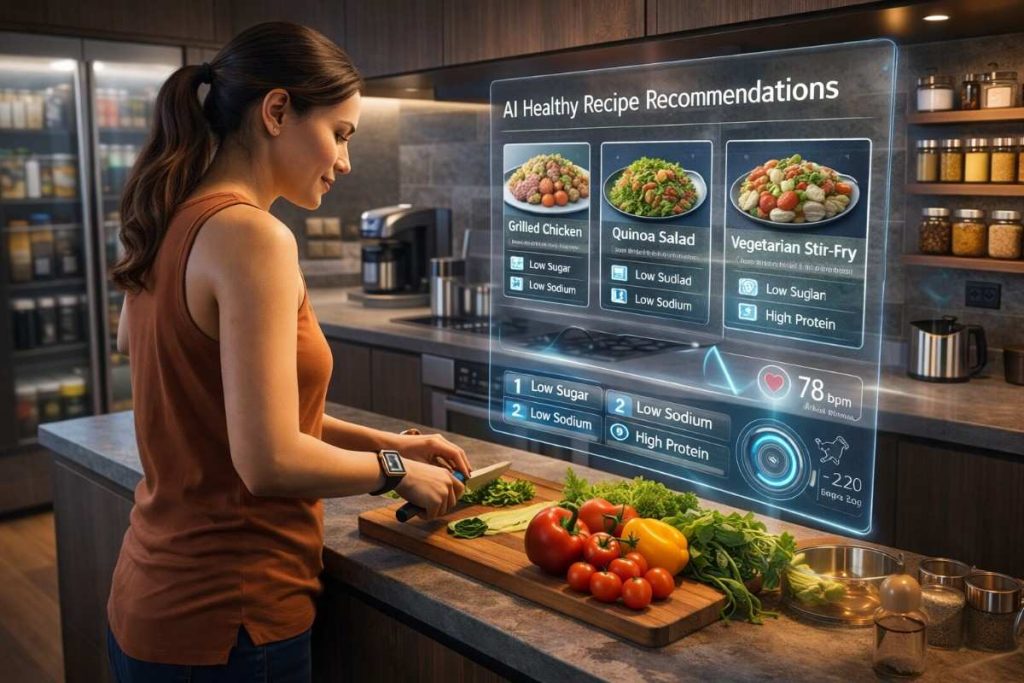
Health-focused AI kitchens have become increasingly popular in 2026, especially among families and wellness-focused individuals. These kitchens use AI to promote healthier eating habits and better nutrition. AI analyzes user health data, dietary preferences, and even wearable device inputs to recommend meals tailored to individual needs.
Cooking surfaces adjust temperatures to preserve nutrients, while smart appliances reduce oil usage automatically. This kitchen design turns everyday cooking into a proactive health practice, making it easier to maintain balanced diets in busy lifestyles.

6. The Multigenerational Universal Design Kitchen
Inclusive Tech Solutions has created a kitchen design that leverages AI to ensure accessibility and functionality for users across age ranges and ability levels. The Multigenerational Universal Design Kitchen adapts to each user’s specific needs and capabilities, creating an inclusive space that accommodates everyone from children learning basic cooking skills to elderly individuals with mobility or sensory limitations.
The system maintains detailed user profiles that include physical capabilities, cognitive preferences, and skill levels. When different family members approach the kitchen, biometric recognition systems identify them and automatically adjust various elements to suit their needs. Counter heights can be modified through motorized systems. Lighting adjusts based on individual vision requirements. Interface complexity scales to match user preferences and demonstrated proficiency.
For users with mobility limitations, the AI coordinates with motorized cabinetry and appliance systems to bring items within comfortable reach, eliminating the need for excessive bending, stretching, or climbing. The system learns which items each user accesses most frequently and optimizes storage locations accordingly, even adjusting these positions over time as usage patterns evolve.
7. The Professional-Grade Home Kitchen
ChefTech Innovations has designed a system specifically for serious home cooks who demand professional capabilities with the convenience of AI assistance. The Professional-Grade Home Kitchen brings restaurant-level precision and control to residential spaces while leveraging AI to simplify complex techniques.
The cooking surface technology represents a significant advancement, with zoned heating elements that provide precise, independent temperature control across multiple cooking areas. The AI manages these zones dynamically, maintaining specified temperatures with accuracy within two degrees Celsius while making real-time adjustments based on detected cooking activities. When you’re managing multiple dishes simultaneously, the system ensures each receives optimal heat levels regardless of what’s happening in adjacent zones.
Integrated with the cooking surfaces is an advanced thermal imaging system that provides the AI with detailed information about food temperature distribution. This enables sophisticated cooking techniques like perfectly even searing or precisely controlled low-temperature cooking that would typically require expensive specialized equipment and considerable experience. The AI uses this thermal data to provide guidance that helps users achieve professional results consistently.
8. AI-Integrated Open Concept Kitchen Spaces
Open concept kitchens continue to dominate modern homes, and AI has made them smarter and more adaptable. These kitchens seamlessly blend with living and dining areas while maintaining functional separation through intelligent design.
AI manages sound levels, ventilation, and lighting to ensure cooking activities do not disrupt other spaces. Smart partitions, transparent displays, and adaptive lighting help define zones without physical barriers. This design is ideal for social homes where cooking and entertaining happen simultaneously.
9. Cultural and Regional AI Kitchen Designs
In 2026, AI kitchen designs are no longer one-size-fits-all. AI systems now adapt to cultural cooking styles, regional ingredients, and traditional methods. Whether it’s Asian stir-fry techniques, Mediterranean baking, or South Asian spice-heavy cooking, AI adjusts appliance behavior, ventilation, and cooking recommendations accordingly. The design respects cultural identity while enhancing efficiency and safety. This approach ensures that technology supports tradition rather than replacing it.
10. The Biophilic Integration Kitchen
NatureSync Design has created a kitchen concept that bridges the gap between indoor culinary spaces and natural environments through the Biophilic Integration Kitchen. This system uses AI to manage living elements within the kitchen while creating connections to natural rhythms and patterns that research suggests promote wellbeing.
The integrated growing systems represent the most visible aspect of this design. AI-managed hydroponic and aeroponic gardens produce fresh herbs, microgreens, and select vegetables within the kitchen space. The system controls lighting, nutrients, and environmental conditions with precision that optimizes both growth rates and flavor development. The AI coordinates planting schedules to ensure the continuous availability of ingredients you use regularly, starting new plants at intervals that match your consumption patterns.
These growing systems integrate seamlessly with meal planning. The AI suggests recipes that incorporate currently harvestable ingredients, reducing grocery needs while ensuring homegrown items are used at peak freshness. When you harvest herbs or greens, the system automatically updates inventory and adjusts growing schedules to maintain desired availability.
Choosing the Right AI Kitchen Design for Your Needs
Selecting from these impressive options requires careful consideration of your specific priorities, lifestyle patterns, and practical constraints. The most sophisticated system isn’t necessarily the best choice for your particular situation.
Start by honestly assessing which kitchen activities matter most to you. If you’re primarily motivated by health optimization, the Adaptive Wellness Kitchen’s nutritional focus might align perfectly with your goals. If environmental impact concerns you most, the Zero-Waste Intelligence Kitchen deserves serious consideration. Those passionate about developing culinary skills might find the Professional-Grade Home Kitchen or Autonomous Sous Chef System most appealing.
Budget considerations extend beyond initial installation costs. These systems represent significant investments, with complete installations ranging from moderate five-figure sums for more focused designs to well into six figures for the most comprehensive implementations. Factor in ongoing costs, including maintenance, software updates, and potential subscription fees for AI services or content libraries.
Key Benefits of AI Kitchen Designs in 2026
AI kitchen designs offer far more than visual appeal. They bring measurable improvements to daily life. These kitchens save time by automating routine tasks, reducing waste through intelligent tracking, and enhancing safety with predictive alerts. They also improve accessibility, support healthier lifestyles, and adapt continuously to changing needs. Over time, the AI system becomes more accurate, more personalized, and more valuable.
Challenges and Considerations Before Adopting an AI Kitchen
Despite their advantages, AI kitchens require thoughtful planning. Privacy and data security are important considerations, as these systems collect behavioral data. Homeowners should choose platforms with transparent data policies and strong security standards.
Initial costs can be higher than traditional kitchens, although long-term savings often offset the investment. It is also essential to design for usability, ensuring that technology enhances rather than complicates everyday tasks.
The Future of AI Kitchen Design Beyond 2026
Even as we marvel at what these 2026 AI kitchen designs accomplish, development continues at an impressive pace. Industry insiders suggest several emerging capabilities that may appear in the coming years.
Predictive maintenance systems are evolving toward true autonomous self-repair for certain component types. Future AI kitchens might include modular elements with redundant subsystems that can be automatically reconfigured when failures are detected, maintaining functionality while scheduling human intervention for complete repairs.
Flavor optimization algorithms currently under development promise to analyze individual taste perception variations and adjust seasoning recommendations accordingly. Early research suggests that genetic factors create significant differences in how individuals experience various flavors, and AI systems capable of accounting for these differences could personalize recipes in entirely new ways.
Conclusion
The top 10 AI kitchen designs in 2026 represent a remarkable shift in how we think about kitchens. They are no longer static spaces but intelligent environments that learn, adapt, and respond to human needs. From autonomous cooking systems to emotionally intelligent luxury designs, AI kitchens are redefining comfort, efficiency, and personalization.
For homeowners and designers alike, understanding these trends is essential. AI kitchen design is not about replacing human creativity; it’s about enhancing it. As technology continues to evolve, the kitchen will remain the heart of the home, now smarter and more responsive than ever before.
Frequently Asked Questions (FAQs)
What is the average cost of installing an AI kitchen in 2026?
Complete AI kitchen installations in 2026 typically range from $45,000 to $150,000, depending on the system’s sophistication, kitchen size, and included features. More focused implementations addressing specific needs can start around $30,000, while fully comprehensive systems with extensive automation can exceed $200,000.
Can AI kitchen systems be installed in existing kitchens, or do they require complete renovations?
Many AI kitchen systems offer retrofit options that can be installed in existing spaces without complete renovation, though capabilities may be somewhat limited compared to purpose-built installations. Systems like the Compact AI Efficiency Kitchen and Social Connectivity Kitchen are specifically designed to work within existing layouts.
How do AI kitchens handle privacy concerns with all the sensors and data collection?
Reputable AI kitchen manufacturers implement comprehensive privacy protections, including local data processing where possible, encrypted communications, and strict limitations on data sharing. Most systems allow users to control what data is collected and retained, with options to disable specific sensors or features if privacy concerns outweigh functionality benefits.
Are AI kitchen systems difficult to use for people who aren’t tech-savvy?
Modern AI kitchen systems increasingly emphasize intuitive operation that doesn’t require technical expertise. Voice interaction, simple touch interfaces, and systems that learn automatically reduce the need for manual configuration. Designs like the Multigenerational Universal Design Kitchen specifically accommodate users with varying technical comfort levels.
What happens if the AI system malfunctions during cooking?
AI kitchen systems incorporate multiple safety features and fallback modes to ensure cooking can continue even during system malfunctions. Most appliances retain manual control options that allow basic operation without AI assistance. Critical safety systems operate independently with redundant backup mechanisms.