OpenAI launched the Codex Micro on July 15, 2026, marking the company’s first branded hardware product. Built with keyboard maker Work Louder, the $230 device lets developers monitor and control AI coding agents from a desktop controller, rather than switching between browser tabs. The launch matters because it gives OpenAI a physical presence on developer desks for the first time. Anyone managing multiple Codex agent sessions is the target audience for this release.
What The Codex Micro Actually Is
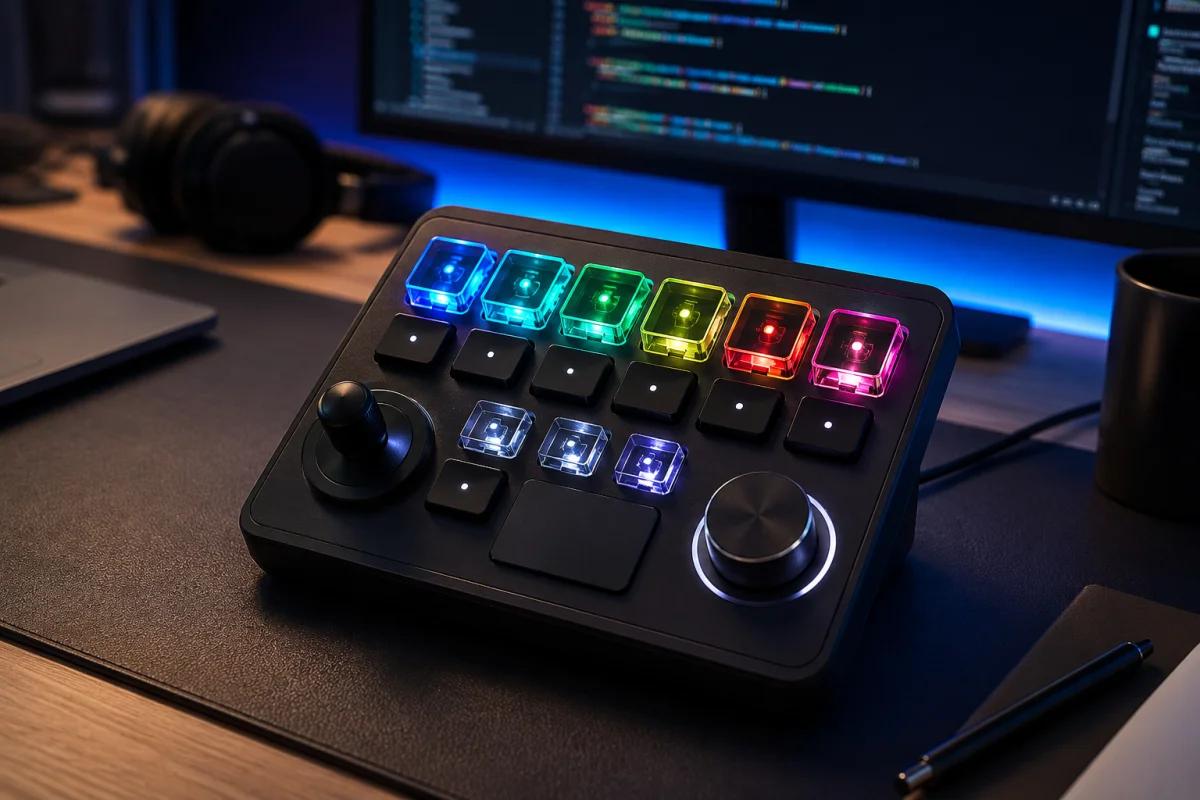
This new keypad is a compact macro pad, not a full keyboard or a standalone AI device. It features 13 mechanical switches, a joystick, a rotary dial, and a touch sensor packed into a square chassis. OpenAI describes it as a command center for agentic work, built specifically around how developers already use Codex.
The design borrows heavily from Work Louder’s existing Creator Micro 2 platform. That same hardware previously powered branded accessories for Figma and Framer, so this release follows a formula Work Louder has used before. What changes each time is the software layer mapped onto the keys.
Key Hardware Features
The standout element of the Codex Micro device is its set of six illuminated Agent Keys, which display live, color-coded status updates for active Codex threads, allowing developers to see what an AI agent is doing without opening a chat window. The six RGB Agent Keys indicate whether a Codex task is running, waiting for input, completed, or has encountered an error. Alongside them, a built-in joystick provides quick access to common workflows such as reviewing pull requests or debugging code, while dedicated Command Keys let users accept or reject changes and activate push-to-talk. A rotary dial makes it easy to adjust Codex’s reasoning level on the fly, and every control can be customized through the ChatGPT desktop app.
Read more: Google IO 2026
How The Codex Micro Connects To Codex
The keypad depends entirely on the ChatGPT desktop app to function. Following OpenAI’s July 9 merger of Codex into the unified ChatGPT Work application, the Codex Micro Agent Key feedback only works while that desktop client is running in the background.
This is an important detail for buyers. Developers who use Codex through the command line, a browser tab, or an IDE extension like VS Code or a JetBrains plugin will find the six status keys dark. The live RGB feedback works only through the desktop bridge, so confirming the setup before ordering helps prevent disappointment.
Once connected, the accessory effectively closes the gap between an agent finishing a task and a developer noticing. In agentic coding, where bots run autonomously and then pause for human approval, that waiting period is often the real bottleneck. A glance at a glowing key replaces checking a terminal or alt-tabbing through windows.
Pricing And Availability
OpenAI is selling the Codex Micro for $230 through its OpenAI Supply Co. storefront, and the company has described it as a limited run available while stock lasts. The exact number of units has not been disclosed. The product page lists compatibility with both Mac and Windows, along with Bluetooth and USB-C connection options.
The price sits well above a typical shortcut macro pad, positioning this hardware alongside niche mechanical keyboards built for specific software rather than general typing. That premium reflects the native Codex integration rather than the physical hardware alone, since the underlying Creator Micro 2 chassis typically starts at a much lower price.
Who Should Consider Buying One
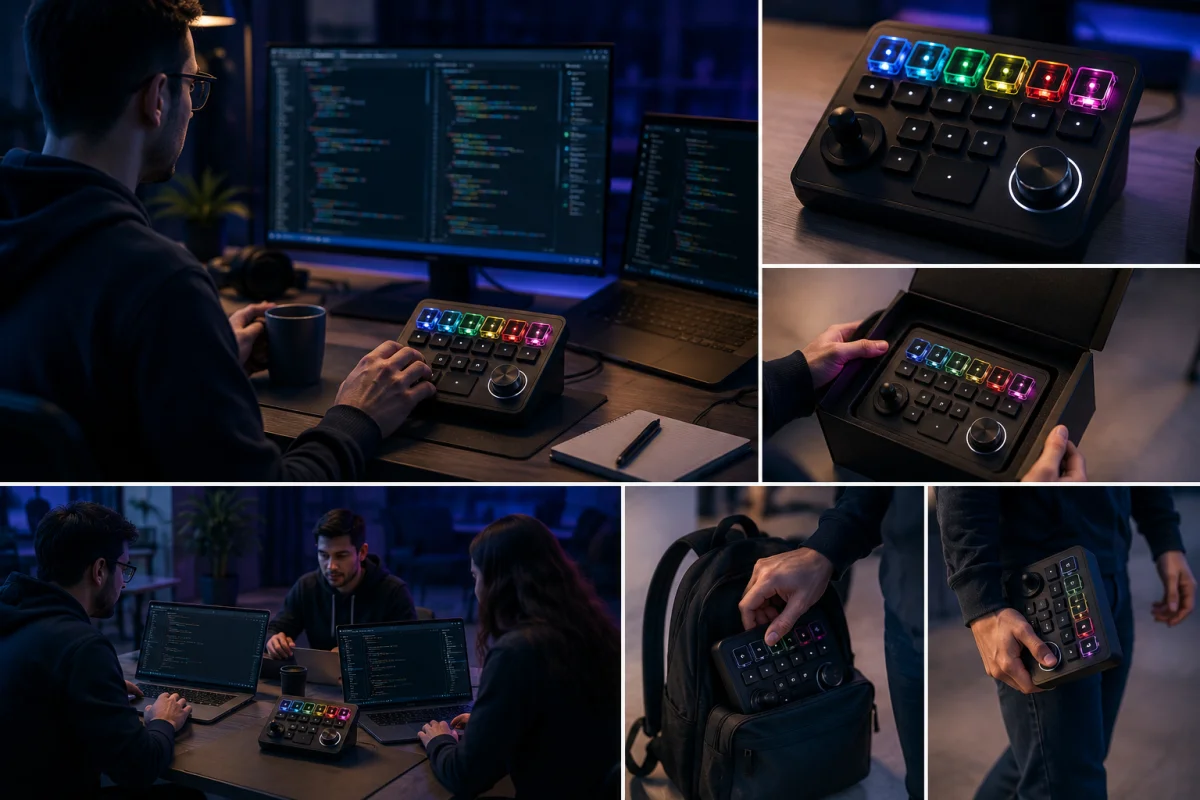
The Codex Micro device is aimed at a narrow but engaged group of users. OpenAI has pointed to more than five million weekly Codex users as the pool it is built to serve, though only a portion of them fit the specific use case.
Developers running several parallel Codex agent sessions through the ChatGPT desktop app are the clearest fit, since they benefit most from at-a-glance status and one-touch approvals. Casual users who open Codex occasionally, or teams already happy with generic shortcut tools, may find it hard to justify at this price point.
Read more: Xbox Series X25
What The Codex Micro Signals For OpenAI
The launch arrives while OpenAI faces a separate hardware legal dispute tied to its rumored consumer AI device, a screenless companion reportedly developed with former Apple designer Jony Ive. This keypad is entirely unrelated to that project and was never positioned as consumer electronics.
Instead, it reads as a strategic move to deepen developer attachment to Codex specifically. Building physical muscle memory around one tool’s controls makes switching to a rival coding assistant, such as Anthropic’s Claude Code or Cursor, feel like relearning a habit rather than just changing software.
OpenAI has not confirmed whether the Codex Micro will expand beyond its initial limited run or reach additional regions once the first batch sells out. For now, developers interested in the device can check current stock and full specifications directly on the OpenAI Supply Co. product page before deciding whether it fits their daily workflow.