Apple has officially confirmed that iOS 27 will support every iPhone currently running iOS 26, defying months of rumors that several older models were nearing the end of their software lifespan. The announcement came during Apple’s WWDC 2026 keynote, where the company also revealed that only a limited number of older iPads will lose compatibility with iPadOS 27.
The news means owners of the iPhone 11 lineup and newer devices can continue receiving Apple’s latest mobile operating system, extending the company’s reputation for long-term software support. For many users, it removes the immediate pressure to upgrade hardware simply to stay on the latest version of iOS.
iOS 27 Supports the Same iPhones as iOS 26
Contrary to several pre-launch reports and leaks, Apple did not remove any iPhone models from the iOS compatibility list this year. Devices dating back to the 2019 iPhone 11 family remain eligible for the update, as do newer iPhone generations.
That makes iOS 27 one of Apple’s most inclusive software releases in recent years. Earlier rumors suggested that the iPhone 11, iPhone 11 Pro, iPhone 11 Pro Max, and second-generation iPhone SE could be dropped from support, but those reports ultimately proved inaccurate.
Apple says users on older supported devices may also benefit from performance improvements included in the update. One notable under-the-hood change is an updated CPU scheduler designed to improve responsiveness and efficiency, with the enhancement now extending to older iPhones as well.
Read more: iPhone Ultra
Some iPads Reach the End of the Road
While iPhone owners received good news, the situation is different for certain iPad users. Apple has ended support for several older iPad models in iPadOS 27, including devices powered by the A12 and A12X chips. Models losing compatibility include:
- iPad Air (3rd generation)
- iPad (8th generation)
- iPad mini (5th generation)
- 11-inch iPad Pro (1st generation)
- 12.9-inch iPad Pro (3rd generation)
The change effectively raises the hardware requirements for Apple’s tablet platform. Supported iPads now generally start with newer A13-, A14-, M1-, or later-generation processors. The decision has drawn attention because some older iPad Pro models are being dropped even as the similarly aged iPhone 11 remains supported.
Apple Intelligence Features Still Require Newer Hardware
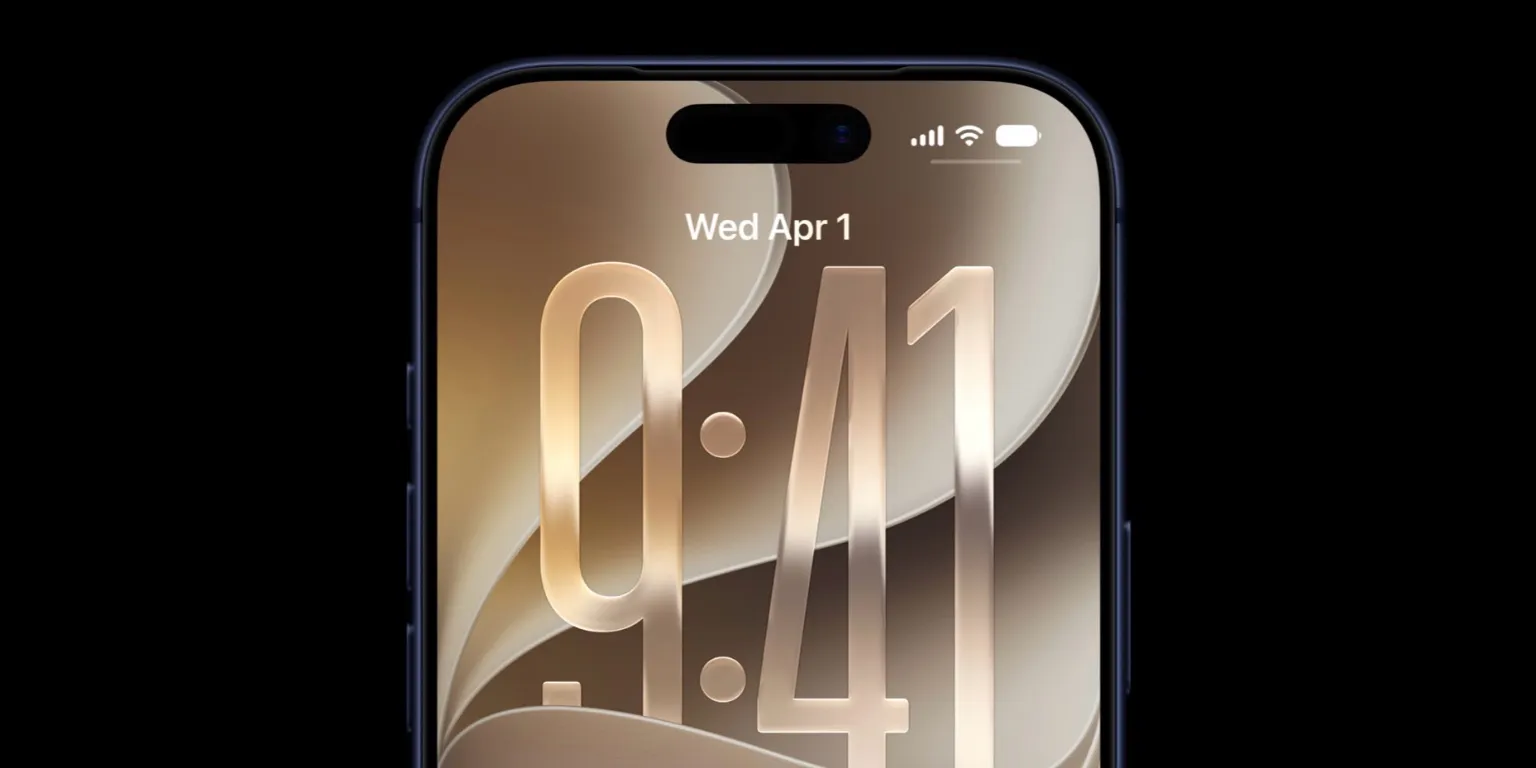
Although iOS 27 is available on a broad range of devices, not every feature will be accessible to every user. Many of the headline capabilities announced at WWDC 2026 rely on Apple Intelligence and more advanced on-device AI processing. Apple continues to limit these features to newer hardware with sufficient memory and processing power.
For iPhones, Apple Intelligence support generally requires an iPhone 15 Pro, iPhone 16 series, iPhone 17 series, or newer compatible models. Some of the company’s newest local AI models have even stricter requirements, including newer Apple Silicon and at least 12GB of RAM.
As a result, owners of older supported devices will receive the core iOS 27 experience, security improvements, and system enhancements, but may miss out on the most advanced AI-powered features.
iOS 27 Beta and Release Timeline
Apple has already made the first iOS 27 developer beta available to registered developers following its WWDC announcement. The company is expected to release a public beta in July, giving more users a chance to test new features before the final launch.
For those tracking the iOS 27 beta release date, the developer beta is available now, while the broader public beta program is scheduled to begin next month. As for the iOS 27 release date, Apple is expected to follow its traditional schedule and launch the final version in the fall alongside its next-generation iPhone hardware.
Read more: Apple iPhone 18 Pro Max
Why This Matters
Apple’s decision to keep support for the entire iPhone 11 generation highlights one of the company’s strongest competitive advantages: long-term software support. With iPhone 11 devices approaching seven years of age, users continue to receive major operating system upgrades that many competing smartphones no longer receive after a similar period.
The move also demonstrates Apple’s effort to separate device compatibility from feature availability. While AI-powered experiences increasingly depend on newer hardware, the company is still extending the lifespan of older iPhones through operating system updates, performance improvements, and security enhancements.
For iPhone owners, the message is clear: if your device runs iOS 26 today, it will run iOS 27 as well. For some iPad users, however, WWDC 2026 marks the end of official upgrade support and the beginning of a decision about when to move to newer hardware.