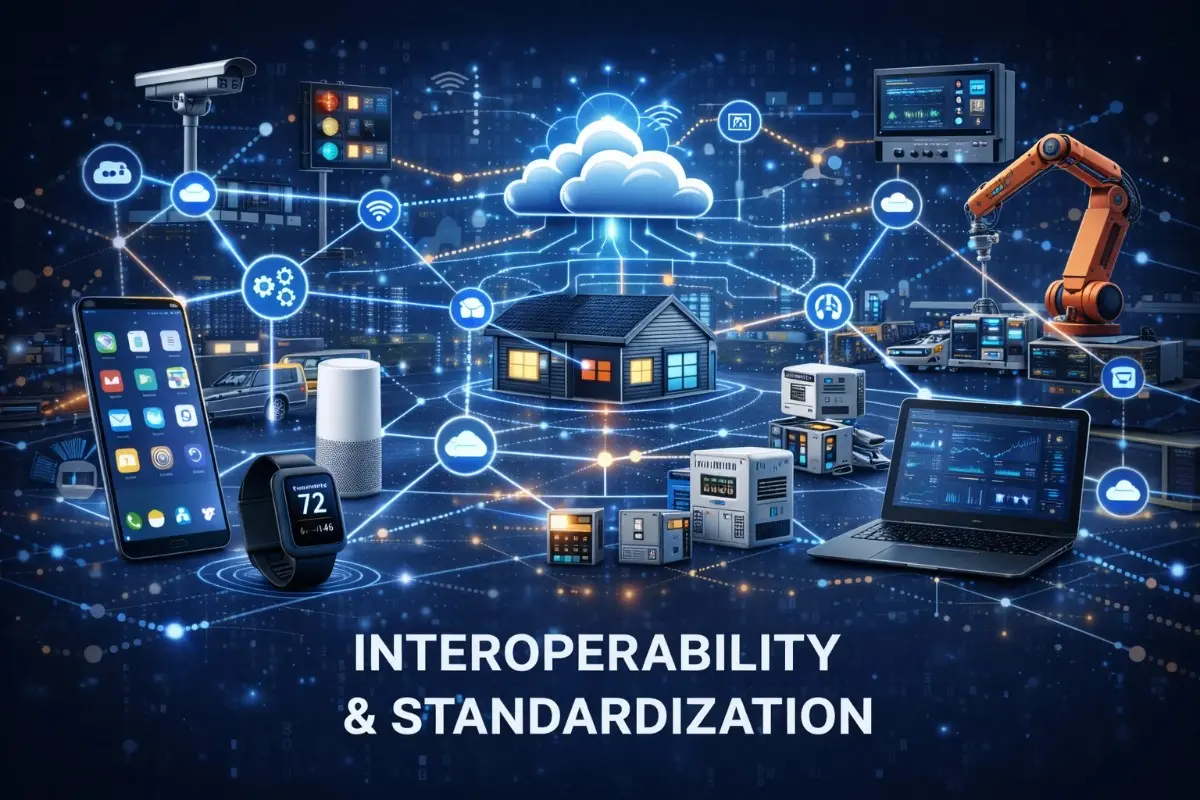
The Internet of Things (IoT) is set to revolutionize technology, transforming homes, industries, and healthcare systems through innovative devices. From smart homes to industrial automation, each IoT devices examples showcase how technology can streamline daily tasks, increase efficiency, and improve decision-making.
In this article, we’ll explore detailed examples of IoT devices examples, focusing on solutions offered by leading brands like Amazon, Google, Apple, and Microsoft. Whether you’re considering smart home automation or industrial IoT tools, this guide will help you find the right solutions for your needs.
What Are IoT Devices and Their Examples?
IoT (Internet of Things) devices are physical objects embedded with sensors, software, and processing power that allow them to connect and exchange data with other systems over the internet or local networks. Unlike traditional computers, laptops or smartphones, these smart objects are typically designed for specific functions such as monitoring the temperature in a room, tracking a person’s heart rate, or managing industrial machinery and operate with a high degree of autonomy.
As we move into 2026, the landscape of IoT is shifting toward Edge AI, where devices process data locally to reduce latency and enhance privacy, and energy harvesting, allowing remote sensors to power themselves using ambient light or vibrations. From consumer gadgets like smartwatches and thermostats to smart city infrastructure that manages traffic flow, IoT devices examples act as the bridge between the physical and digital worlds, creating a seamless network of intelligent things.
How IoT Devices Work?
To understand how an IoT device works, it helps to think of it as a bridge between the physical world and the digital world. This working model is a continuous loop that transforms a physical sensation into a digital action. Here is a breakdown of the four essential stages of that model:
- Sensors collect data
- Internet connectivity
- Cloud processing
- Action or response
For example, a smart thermostat senses room temperature, sends data online, and automatically adjusts heating or cooling.

IoT Devices Examples by Category
IoT Devices Examples: Smart Home IoT Devices
IoT-enabled smart homes provide unparalleled convenience by automating tasks and enhancing security. Here are detailed examples:
Amazon Alexa Ecosystem
Amazon Alexa functions as a central hub for a modern smart home ecosystem, offering a diverse range of hardware, including smart speakers, plugs, and displays, that seamlessly integrate into your daily life. By utilising intuitive voice commands or the Alexa app, you gain centralised control over your living environment.
For instance, you can instantly toggle lights, manage appliances remotely to save energy, or monitor real-time feeds from security cameras for peace of mind. Beyond individual tasks, the platform allows for the creation of sophisticated custom routines, enabling a single command to trigger multiple actions simultaneously, such as dimming the lights and playing music to set the perfect evening mood.
Google Nest Thermostat
This smart thermostat optimizes energy usage by continuously learning your preferences and understanding your daily habits, such as when you are home, asleep, or away. Based on this data, it automatically creates schedules that reduce unnecessary heating or cooling, helping lower energy bills without sacrificing comfort.
The built-in energy reports give clear insights into how much energy you are using, where savings are being made, and how small adjustments can improve efficiency. In addition, remote access through the Google Home app lets you adjust temperature settings, check system status, and make real-time changes from anywhere, ensuring your home stays comfortable while remaining energy-efficient.
Ring Smart Security Systems
Ring’s IoT devices examples include video doorbells, floodlight cameras, and motion sensors, all designed to enhance home security. They provide real-time alerts directly to your smartphone, keeping you informed of any activity around your property. With two-way communication, you can speak to visitors or potential intruders from anywhere, adding an extra layer of security. Additionally, cloud storage ensures that all recorded videos are safely saved, allowing you to review footage whenever needed and maintain a reliable record of events.
IoT Devices Examples: Healthcare IoT Devices
The healthcare sector has embraced IoT devices to improve patient care and simplify monitoring processes. Detailed examples include:
Remote Patient Monitoring Tools
These devices monitor vital signs such as heart rate, oxygen levels, and body temperature, providing continuous health tracking. They can automatically alert doctors if any readings fall outside the normal range, enabling timely medical intervention. By offering remote monitoring and early detection of potential issues, they also help reduce the need for frequent hospital visits, making healthcare more convenient and efficient for patients.
Smart Glucose Monitors
These devices continuously track blood sugar levels, providing real-time updates to both patients and doctors. By offering constant monitoring and immediate insights, they enable timely adjustments to treatment and lifestyle, helping patients manage diabetes more effectively and maintain better overall health.
Smart Inhalers
These devices track asthma or COPD medication usage, helping patients stay on top of their treatment. They send reminders and generate reports, promoting better adherence to prescribed regimens and supporting more effective management of respiratory conditions.
IoT Devices Examples: Industrial IoT (IIoT) Devices
Industrial IoT (IIoT) focuses on improving operational efficiency through automation and data-driven insights. Examples include:
Bosch IoT Suite
Bosch’s industrial tools are designed for predictive maintenance, helping ensure smooth and efficient operations. Equipped with sensors that detect equipment anomalies, these tools can identify potential issues before they become serious problems. Real-time data processing allows for proactive repairs, minimizing downtime, while seamless integration with manufacturing systems streamlines workflows and enhances overall productivity.
Microsoft Azure IoT
Microsoft’s cloud platform offers industrial IoT solutions that enhance operations in areas such as supply chain management and asset tracking. It features IoT Edge, which enables offline data processing to ensure continuous functionality even without a constant internet connection. Predictive analytics help with inventory control by forecasting demand and preventing shortages, while customizable dashboards provide real-time monitoring, giving businesses actionable insights to optimize performance and efficiency.
IoT Devices Examples: Transportation and Logistics IoT Devices
IoT technology is transforming the transportation industry by enabling more competent navigation and tracking systems. Here are practical solutions:
Geotab Fleet Management Solutions
Geotab offers IoT-based fleet management tools designed to enhance logistics and operational efficiency. With GPS tracking, fleet managers receive real-time location updates, ensuring better oversight of vehicles. Route optimisation features help save fuel and reduce travel time, while maintenance alerts notify managers of potential issues, minimising vehicle downtime and keeping the fleet running smoothly.
IoT-Powered Autonomous Driving Systems
IoT sensors and cameras integrated into semi-autonomous vehicles enhance safety by continuously monitoring traffic patterns and detecting obstacles in real time. These systems can dynamically adjust navigation routes to avoid hazards, helping prevent accidents and ensuring a smoother, safer driving experience.
Choosing the Right IoT Devices Examples
To find the right IoT solutions, keep these factors in mind:
Compatibility
These lines emphasize the importance of compatibility when using smart devices. Ensuring a device works seamlessly with existing systems means it can integrate smoothly with other technology you already use, without causing connectivity issues or requiring complicated setups. For instance, Alexa-enabled devices are designed to function optimally within the Amazon ecosystem, so they work best when paired with other Amazon products like Echo speakers, Fire TV, or smart plugs.
This compatibility allows features like voice control, automated routines, and synchronized notifications to operate efficiently, providing a smoother and more convenient user experience. Essentially, choosing devices that integrate well with your current setup maximizes their functionality and makes your smart home or IoT system much easier to manage.
Data Security
These lines highlight the importance of security and privacy when choosing smart devices. End-to-end encryption ensures that any data the device collects, like your personal information, usage patterns, or video feeds, is encrypted from the moment it leaves the device until it reaches its intended destination. This means even if the data is intercepted during transmission, it cannot be read by hackers or unauthorized parties.
In addition to encryption, strong privacy policies show how the company handles your data: whether it is shared with third parties, stored securely, or used for advertising. Devices with robust privacy policies give you transparency and control over your information, reducing the risk of data misuse or breaches. Together, these features help protect sensitive information, giving you peace of mind when using connected devices in your home or workplace.
Ease of Use
This line emphasizes the importance of usability and ease of setup when choosing smart devices. Products with intuitive interfaces are designed so that you can easily understand and navigate their controls, whether through apps, touchscreens, or voice commands, without needing a technical background. This makes daily use smoother and more enjoyable, reducing frustration.
Similarly, straightforward setup instructions mean you can install and configure the device quickly and correctly, without spending hours troubleshooting or relying heavily on technical support. Devices that are easy to set up and operate save time, reduce errors, and allow you to take full advantage of their features right away.
Scalability
This line highlights the importance of scalability and future-proofing when choosing smart devices or IoT systems. Opting for systems that can expand means you’re not limited to the devices you initially buy; you can easily add more devices or upgrade features later without replacing your existing setup.
For example, a smart home hub that supports multiple brands or additional sensors allows you to expand your network gradually, whether it’s adding security cameras, smart lights, or voice assistants. Similarly, software updates or new features from the manufacturer can be integrated seamlessly into your system, keeping it up-to-date and relevant.
Solving Everyday Challenges of IoT Devices Examples
Reducing Energy Bills
Smart thermostats like Google Nest help save energy by adjusting heating and cooling based on your routines. This reduces your electricity or gas bills and lowers your carbon footprint, making your home more efficient and eco-friendly.
Enhancing Personal Safety
Wearable devices like the Apple Watch track your health in real time, monitoring things like heart rate and activity levels. They can also send emergency alerts if something goes wrong, helping you stay safe and receive timely assistance when needed.
Boosting Industrial Efficiency
Bosch IoT tools help businesses prevent unexpected equipment failures by using predictive maintenance. They monitor machinery for signs of problems and alert operators before breakdowns occur, reducing downtime and keeping operations running smoothly. This not only saves time but also lowers repair costs, improving overall efficiency and profitability.
Final Thoughts on IoT Devices Examples
IoT devices examples are no longer futuristic concepts; they are already shaping how we live, work, and interact with technology. From smart homes to healthcare and smart cities, the real-world applications of IoT continue to expand rapidly. If you’re learning about modern technology, understanding IoT device examples is an essential step toward staying ahead in the digital world.
Frequently Asked Questions (FAQs)
Are IoT devices safe?
Yes, smart devices are safe when proper security practices are followed. This includes keeping software updated and using secure networks to protect data.
Do IoT devices require the internet?
Most smart devices rely on the internet, but some can operate locally using Bluetooth or other local networks. This allows them to function even without an online connection.
Can IoT devices work together?
Yes, many IoT ecosystems let multiple devices connect and communicate with each other. This enables automation of tasks for a more convenient and integrated experience.
Do IoT devices require a smartphone to work?
Not always, but many do. Some IoT devices can function independently or be controlled through dedicated hubs, web interfaces, or voice assistants.
What are the security concerns with IoT devices?
IoT devices can present security vulnerabilities because they’re constantly connected to the internet and often collect sensitive data.