Utah’s VPN age-verification law is quickly becoming one of the most talked-about digital privacy laws in the United States. Within days of its enforcement, users, tech companies, and privacy advocates have raised serious concerns. Many are surprised by how deeply this law could affect everyday internet use.
At its core, the law aims to regulate access to age-restricted online content. But its reach goes beyond that. From privacy risks to potential internet restrictions, the impact is broader than expected. Here’s a detailed look at what’s really happening and why it matters.
What is the VPN Age Verification Law in Utah?
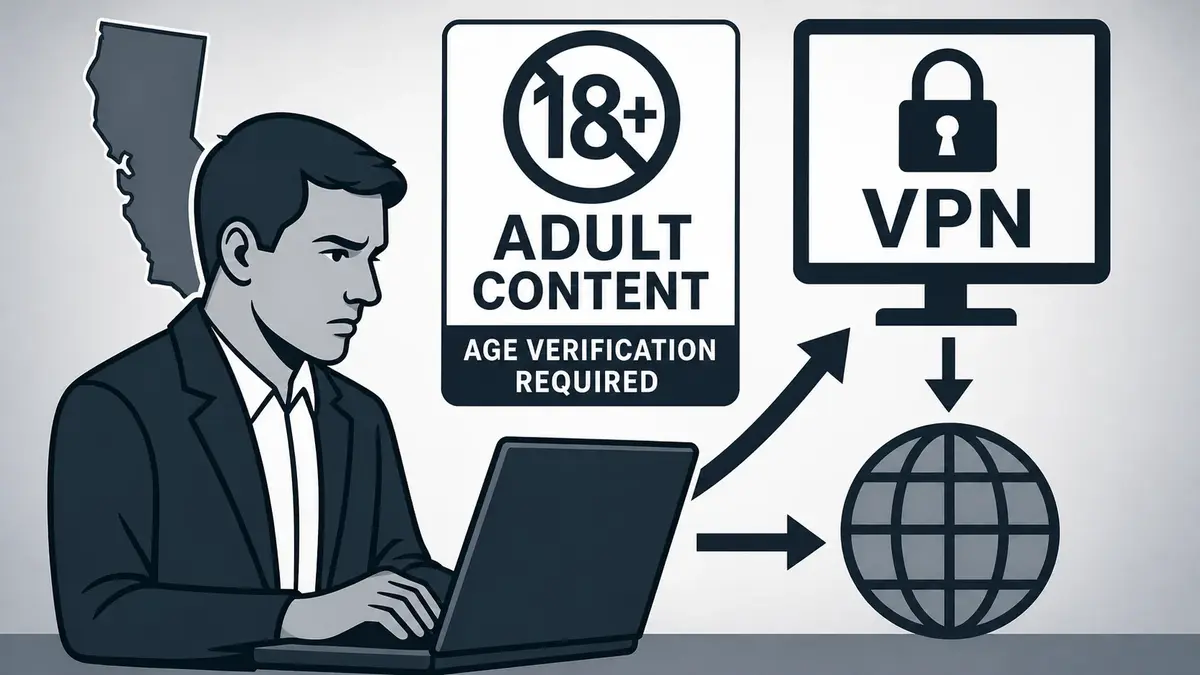
The VPN Age Verification Law in Utah requires websites that host adult or age-restricted content to verify users’ ages. This means platforms must verify that a visitor is legally permitted to access their content.
To enforce this, companies may need to collect personal data such as IDs or biometric details. The law also indirectly targets VPN usage, as many users rely on VPNs to bypass regional restrictions or maintain anonymity.
How it affects VPN usage
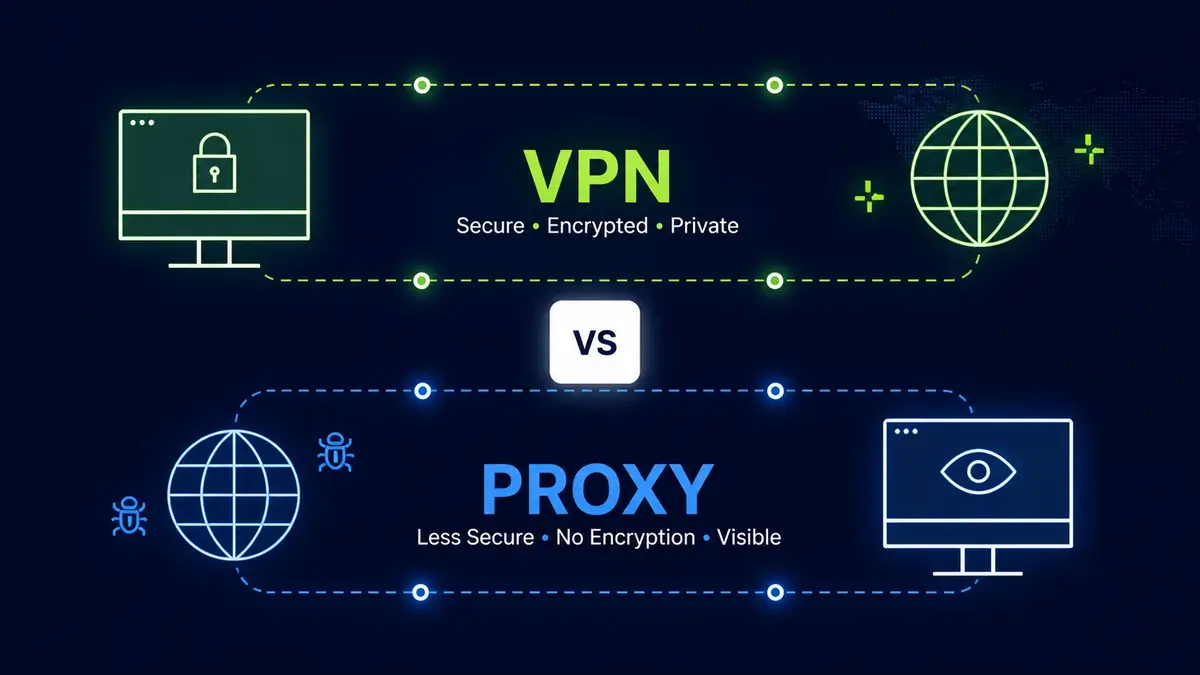
The VPN age verification law in Utah raises concerns because VPNs are commonly used to protect privacy. If platforms block VPN traffic or require identity checks, users may lose that layer of protection. This creates a conflict between regulation and digital freedom.
Privacy Concerns Under VPN Age Verification Law, Utah
One of the biggest shocks is the potential loss of privacy, as users may be required to share sensitive information just to browse certain websites. This raises serious concerns about who is storing this data, how secure it actually is, and whether it could be misused.
The VPN age verification law in Utah could unintentionally increase the risk of data breaches, and if companies fail to protect user information properly, millions of people could be exposed.
Read more: Guide to GRC Cybersecurity
Increased Restrictions on Internet Freedom
Another major impact of the VPN age verification law in Utah is the possibility of restricted access to online content. Websites may choose to block users from Utah entirely rather than comply with strict rules. This has already happened in some cases, where platforms limit access to avoid legal complications.
Regional blocking trends
Utah’s VPN age-verification law may lead to increased geo-blocking. This means users in Utah could experience a more limited internet experience than users in other regions. This shift could change how people access information and entertainment online.
VPN Services Face New Challenges
VPN providers are directly affected by Utah’s VPN Age Verification Law. Some platforms may start detecting and blocking VPN traffic to enforce compliance. This puts VPN companies in a difficult position. They must balance user privacy with legal requirements.
Possible changes in VPN policies
To comply with Utah’s VPN age verification law, VPN providers may begin updating their privacy policies to align with new legal requirements while also limiting certain features that could conflict with those requirements. At the same time, they are likely to warn users about potential legal risks associated with using VPNs to bypass age-verification systems. As a result, these adjustments could reduce VPNs’ overall effectiveness as reliable privacy tools.
Read more: Virgin Media Alert
Impact on Businesses and Websites
The VPN age-verification law in Utah doesn’t just affect users; it also affects businesses. Websites now face added costs and technical challenges. They must implement age verification systems, ensure data security, and comply with legal standards. For smaller companies, this can be overwhelming. Some may choose to shut down access in Utah rather than invest in compliance.
Economic implications
Utah’s VPN age-verification law could slow digital growth in the region. Businesses may avoid operating in Utah due to strict regulations. This could reduce competition and limit users’ choices.
Legal and Ethical Debates Dntensify
The VPN age verification law in Utah has sparked strong debate among experts. Supporters argue it protects minors from harmful content. Critics believe it threatens privacy and sets a dangerous precedent.
Ongoing legal discussions
There is a growing debate over whether Utah’s VPN age verification law violates constitutional rights, particularly free speech and privacy. Legal challenges may arise, and the future of this law could depend on court decisions.
What Should Users Know About VPN Age Verification Laws in Utah?
For everyday users, Utah’s VPN age-verification law means being more cautious while browsing online. It is important to understand the type of data you are sharing, choose trusted platforms that handle data securely, and stay updated on any legal changes related to online access. Users should also regularly review VPN policies to make sure their privacy remains properly protected.
Read more: FBI Retrieves Deleted Signal Messages
Latest Trends and Updates
Since the rollout of Utah’s VPN age verification law, several important trends have emerged. There has been a noticeable increase in the download and use of privacy tools, along with growing concerns about data security among users.
At the same time, discussions around digital rights and online freedom have become more widespread. As a result, other states may begin considering similar laws, potentially turning this into a nationwide issue in the near future.
Conclusion
The VPN age verification law in Utah is more than just a local regulation; it represents a shift in how governments approach online safety and privacy. While protecting users is important, the method raises serious concerns.
From privacy risks to restricted access, the effects are far-reaching. As debates continue and legal challenges unfold, one thing is clear: the VPN age verification law in Utah will play a key role in shaping the future of internet regulation. Staying informed and aware is the best way for users to navigate these changes safely.