Have you ever woken up from a dream that left you puzzled? Was it a sign, a random mix of thoughts, or something deeper? Dream Interpretation Artificial Intelligence have fascinated humans for centuries, searching for meaning through symbols and interpretations. But now, artificial intelligence (AI) is stepping in to unravel the mysteries of the subconscious. Can AI indeed decode our dreams? Let’s dive in and explore!
The Evolution of Dream Interpretation
Ancient Perspectives on Dreams
Dream interpretation dates back thousands of years. Ancient Egyptians believed dreams were divine messages, while Greek philosophers like Aristotle saw them as reflections of daily life. The Babylonians even had dream dictionaries!
Freud and Jung’s Theories
Fast-forward to the 20th century, psychoanalysts like Sigmund Freud and Carl Jung made dream analysis a core aspect of psychology. Freud considered dreams the “royal road to the unconscious,” packed with hidden desires. Jung, on the other hand, emphasized archetypes and symbols.
The Digital Revolution in Dream Analysis
Today, with AI and big data, we’re shifting from subjective interpretation to data-driven insights. AI can analyze thousands of dreams, detect patterns, and provide interpretations with remarkable accuracy. But how does it work?
How AI Interprets Dreams
The Role of Machine Learning in Dream Analysis
AI utilizes machine learning algorithms to identify patterns in dream descriptions. By analyzing vast amounts of dream data, AI can categorize dreams into themes like fear, adventure, or nostalgia.
Natural Language Processing (NLP) and Dreams
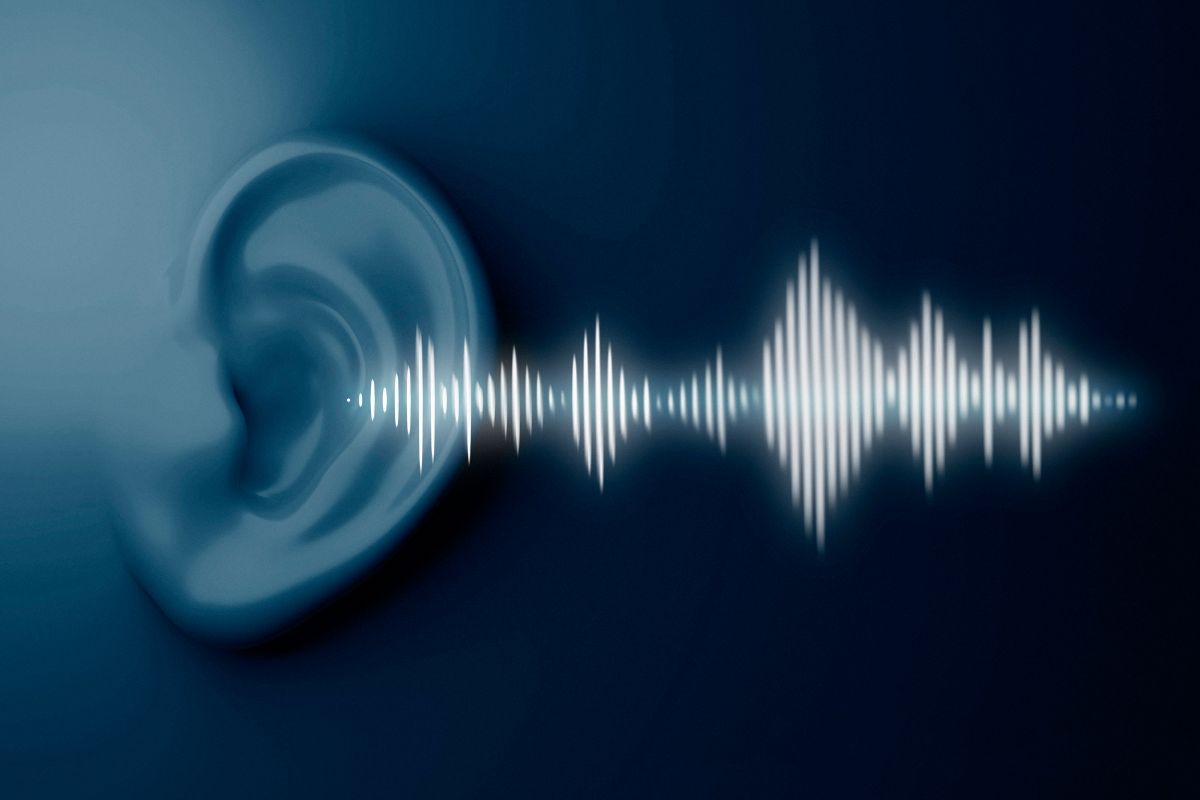
NLP enables AI to read and understand dream reports. It breaks down text, identifies keywords, and matches them to known dream symbols. The more data it processes, the brighter it becomes.
Neural Networks and Symbol Recognition
AI doesn’t just process words—it learns from imagery, too! Motivated by the human brain, neural networks help AI recognize recurring symbols, emotions, and contexts in dream narratives.
Can AI Accurately Interpret Dreams?
 The Challenge of Subjectivity
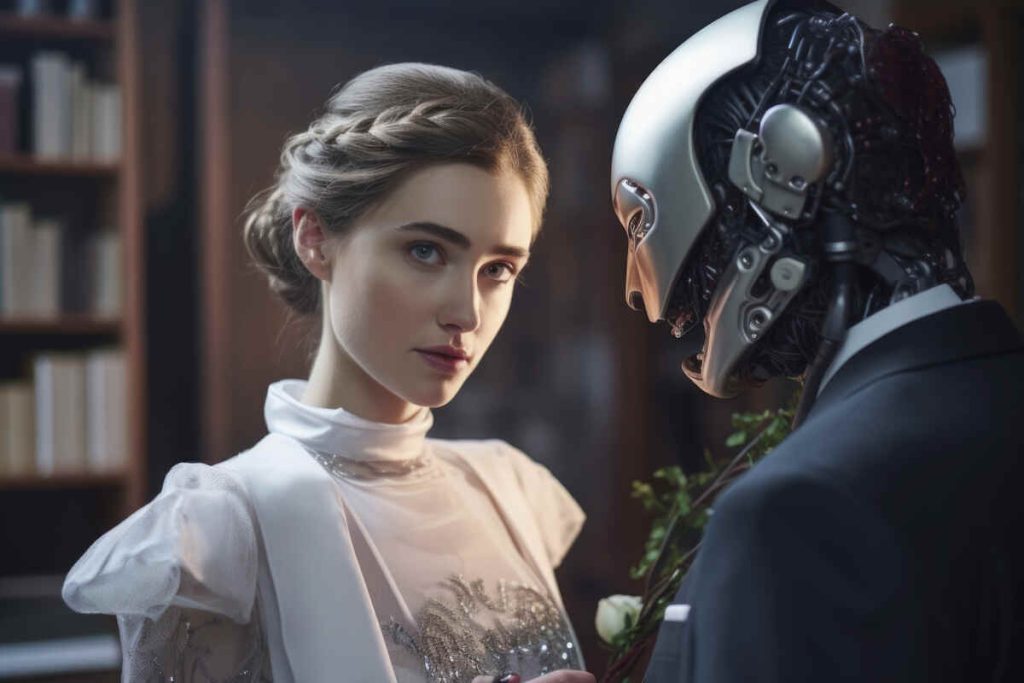 The Challenge of Subjectivity
Dreams are deeply personal. The same symbol can mean different things to different people. AI can provide generalized insights, but it still struggles with personal nuance.
Comparing AI vs. Human Interpretation
- AI: Fast, data-driven, and unbiased but lacks emotional depth.
- Human Experts: Intuitive, personal, and culturally aware but prone to bias.
Hybrid Approaches: The Best of Both Worlds
Some researchers combine AI’s analytical power with human expertise, leading to more balanced interpretations. Think of AI as the ultimate dream assistant rather than a replacement for human intuition.
AI-Powered Dream Analysis Tools
Top AI Dream Interpretation Platforms
 Top AI Dream Interpretation Platforms
- DreamAI – Uses NLP and machine learning to provide instant dream reports.
- DeepDream Analyzer – Focuses on visual dream recognition.
- DreamNet – A neural network trained on dream logs from users worldwide.
How to Use AI for Your Dream Analysis
- Keep a dream journal and input your dreams into AI platforms.
- Compare AI insights with traditional dream dictionaries.
- Look for patterns in your dreams over time.
The Future of AI in Dream Interpretation
AI and Mental Health
Dreams often reflect our emotional state. By analyzing dream patterns, AI could help detect early signs of mental health issues.
Personalized AI Dream Assistants
Imagine an AI that understands you so well it can tailor dream interpretations based on your experiences, fears, and aspirations.
Can AI Predict the Future Through Dreams?
A controversial question! While AI can recognize trends, it’s still far from making prophetic predictions. However, it can identify subconscious concerns you might not be aware of.
Ethical Concerns and Limitations
Privacy Issues
Dreams are deeply personal. AI-powered platforms must ensure user data remains confidential.
The Risk of Over-Reliance on AI
AI can assist but shouldn’t replace human intuition. Dreams are complex; sometimes, a human touch is necessary for deeper understanding.
Bias in AI Interpretations
AI learns from the data it’s trained on. If that data is biased, so are the interpretations. Ensuring diverse datasets is crucial for accurate dream analysis.
Conclusion
AI is revolutionizing dream interpretation, offering fast, data-driven insights. However, it’s not perfect—dreams remain deeply personal and subjective. While AI can be a strong tool, the complexity of the human mind ensures that dreams will always be mysterious. Dream Interpretation Artificial Intelligence So, the next time you wake up from a bizarre dream, why not let AI take a stab at deciphering it? You might be surprised at what it finds!