
As Iran’s nationwide internet restrictions stretch into a third month, the country’s online landscape no longer reflects an open public conversation. Instead, analysts say the blackout has created a controlled digital environment where only selected voices remain visible, while millions of ordinary users struggle with slow internet, restricted access, and constant fears of surveillance.
The result is a new kind of information vacuum: a digital ecosystem where internet speed, access privileges, and political loyalty increasingly determine who gets heard online.
A Controlled Internet Instead of a Public Square
According to reporting by Iran International, Iran’s latest internet shutdown evolved in stages. Authorities first imposed major restrictions during unrest in January 2026, then introduced a broader blackout after regional military tensions escalated in late February.
Since then, many Iranians have reported losing access to global platforms entirely, while others rely on expensive VPN services or limited domestic networks with significantly reduced internet speed and functionality.
For users attempting to run an internet test or check internet speed in Iran, the results often reveal more than just technical slowdowns. They expose a deeply unequal system where access itself has become politically selective.
Researchers studying the shutdown found evidence that nearly all international internet routes were deliberately null-routed through centralized controls, effectively disconnecting the broader population while maintaining connectivity for approved networks and institutions.
Read more: Google IO 2026
The Rise of Whitelisted Internet
One of the most controversial aspects of the blackout is the emergence of what many Iranians call white SIM cards — privileged mobile connections reportedly granted to government-linked individuals, approved media figures, and selected institutions.
Iranian officials publicly acknowledged that certain users were receiving special connectivity privileges to help deliver the message online. Critics argue this creates a two-tier internet system:
- Restricted, unstable access for ordinary citizens
- Faster, unrestricted internet for state-aligned users
This disparity has major implications for how Iran appears online internationally. Social media comment sections increasingly display overwhelming pro-government messaging, but analysts warn this may reflect selective access rather than genuine public consensus. When millions cannot connect freely, measuring online sentiment accurately becomes difficult.
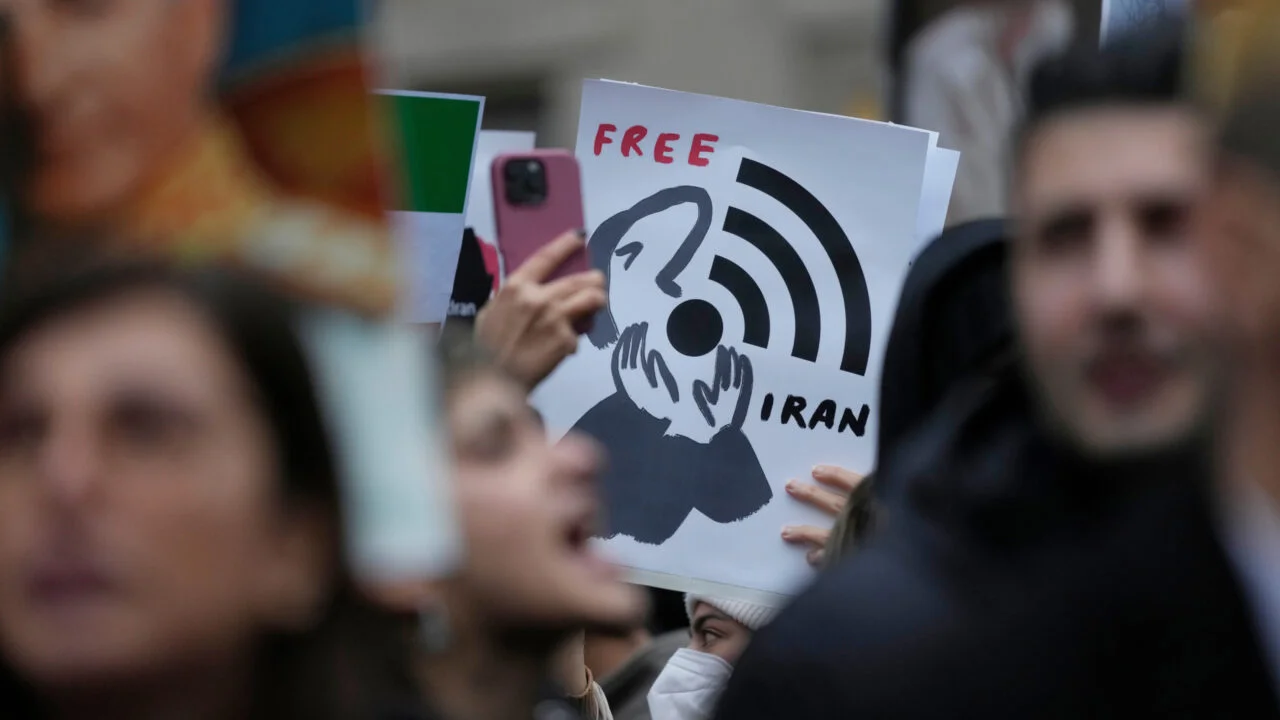
Internet Speed as a Political Tool
In most countries, internet speed is viewed as a technical or commercial issue. In Iran’s current environment, it has become a mechanism of control. Users report:
- Severe throttling of international traffic
- Unstable VPN performance
- Blocked messaging applications
- Limited access to educational resources
- Difficulty conducting basic internet tests reliably
For businesses, freelancers, and students, the slowdown has become economically devastating. Developers cannot maintain overseas contracts, online sellers lose customers, and families abroad struggle to communicate consistently.
Digital rights researchers note that internet restrictions are no longer simply on or off. Instead, authorities appear to manage connectivity through layered access systems based on economic status, institutional affiliation, and political reliability.
Read more: Sony PlayStation Plus Price
Allegations of Coerced Online Support
Perhaps the most alarming claims involve reports that some Iranians were pressured into publishing pro-government content in exchange for restoring internet access. According to accounts cited by Iran International, some users allegedly had to:
- Submit handwritten pledges.
- Provide guarantors.
- Share personal financial information.
- Publish supportive social media posts.
- Attend government rallies.
In some cases, users were reportedly instructed to space out supportive posts over time so the activity would appear authentic. If accurate, the practice represents a sophisticated evolution in state-managed online influence: not simply removing dissent, but manufacturing the appearance of spontaneous public loyalty.
Cyber Operations and Digital Influence
Iran has long faced accusations of conducting organized online influence campaigns. Microsoft and other security researchers previously documented Iranian-linked cyber operations targeting international political discourse.
More recently, the Foundation for Defense of Democracies identified coordinated Persian-language activity on X involving hundreds of accounts posting similar narratives during protests.
But analysts say the current blackout environment creates something more powerful than traditional propaganda networks. By limiting who can access the open internet in the first place, authorities may no longer need to dominate every conversation — only the ones that are visible.
Read more: Marc Benioff’s AI Gamble
Why Internet Tests in Iran No Longer Tell the Full Story
A standard internet speed test measures latency, upload rates, and download performance. In Iran’s current climate, however, those numbers reveal only part of the picture. The deeper issue is accessibility:
- Who can access global websites?
- Which users bypass restrictions?
- Who can afford reliable VPN services?
- Which voices survive online moderation and filtering?
Under such conditions, the internet itself becomes fragmented into separate realities. For privileged users, the online world may remain relatively open. For ordinary citizens, it increasingly resembles a monitored domestic intranet with limited global visibility.
The Bigger Global Implication
Iran’s blackout highlights a growing global challenge: governments no longer need to completely erase online discussion to control digital narratives. Selective internet access, algorithmic visibility, throttled internet speed, and coordinated messaging can gradually reshape public perception without fully disconnecting the country from the web.
The visible conversation remains active — but the missing voices become invisible. That distinction matters not only for Iran, but for journalists, researchers, and anyone attempting to interpret online opinion during periods of political crisis. Because when only approved users can reliably connect, the loudest voices online may no longer represent the public at all.