Sony has introduced the Sony RX10 V, marking the return of its premium bridge camera lineup after a long gap. Announced on July 9, the new model updates the RX10 series with a faster image processor, AI-powered autofocus, and improved video capabilities while keeping the familiar 24-600mm zoom lens. The launch matters for photographers and creators who want a single camera that covers everything from landscapes to wildlife without changing lenses.
The new camera arrives at a time when compact cameras with large zoom ranges have become increasingly rare. Sony is targeting enthusiasts, travelers, sports photographers, and content creators who value versatility over the need to carry multiple lenses.
Sony RX10 V Delivers Major Performance Upgrades
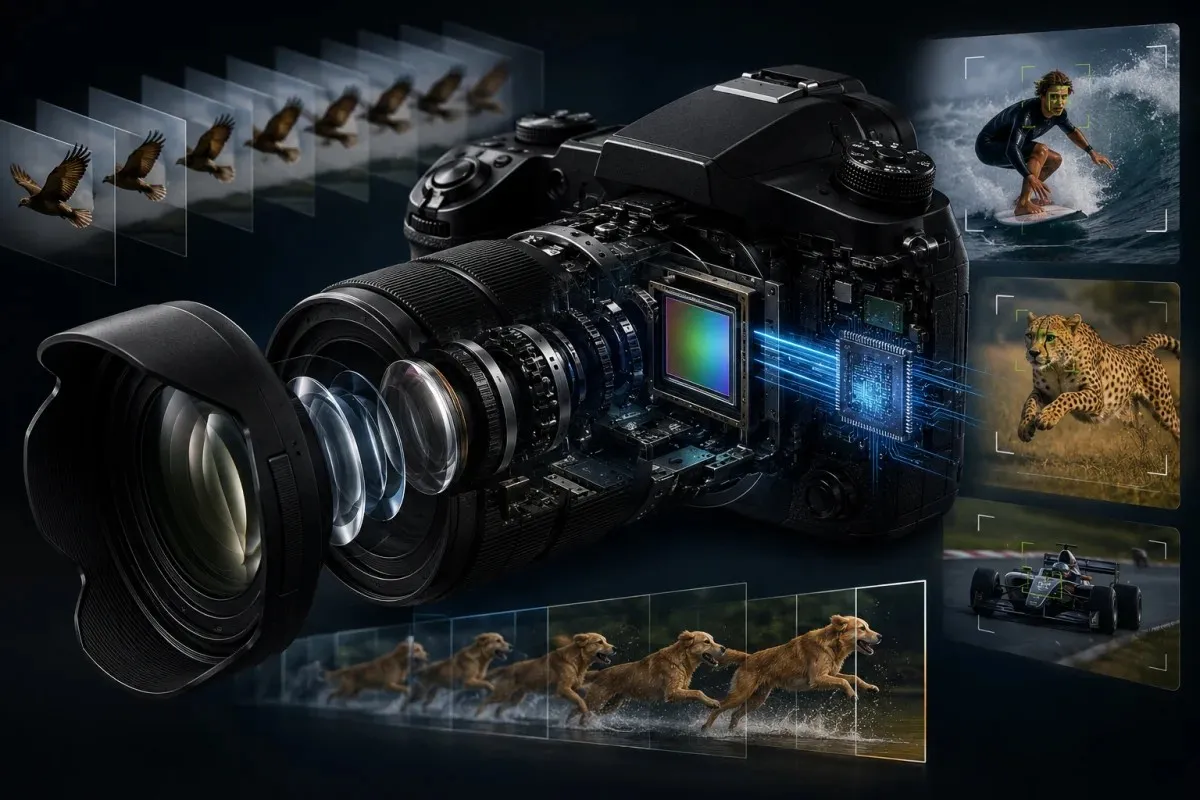
The biggest changes in the Sony RX10 V are found inside the camera rather than in its lens. Sony pairs a 20.1-megapixel one-inch stacked sensor with its newer BIONZ XR processing engine and an AI processing unit to improve autofocus, subject recognition, and shooting speed.
The camera supports continuous shooting at up to 30 frames per second with blackout-free viewing. Sony also adds advanced subject detection technology that recognizes people, animals, birds, vehicles, insects, and aircraft, bringing autofocus features previously reserved for Alpha mirrorless cameras.
Sony RX10 V Keeps Its Signature Zoom Lens
Rather than redesigning the optics, Sony continues using the well-known ZEISS 24-600mm F2.4-4 lens. The lens has been one of the strongest selling points of the RX10 series because it covers wide-angle scenes and distant subjects without requiring lens changes.
For many photographers, this combination remains attractive because it reduces the weight and complexity of carrying a full interchangeable-lens kit while traveling or for outdoor photography.
Read more: OnePlus Nord Buds 4
Video Features Aim At Modern Content Creators
Sony has also expanded the video capabilities of the Sony RX10 V. The camera records full-width 4K video at up to 60 fps and offers cropped 4K at 120 fps for slow-motion footage. It also supports 10-bit 4:2:2 recording, making it more suitable for professional color grading and post-production.
USB-C connectivity allows direct livestreaming and faster data transfers. Sony also includes microphone and headphone ports, giving creators more flexibility when recording interviews, events, or travel videos. These upgrades position the camera as more than just a still-photography tool, especially for YouTubers and hybrid creators who regularly switch between photos and video.
Key Features of the Sony RX10 V
Some of the headline additions include:
- 20.1MP one-inch stacked image sensor
- ZEISS 24-600mm F2.4-4 built-in zoom lens
- AI-powered autofocus with advanced subject recognition
- Up to 30fps continuous shooting
- Full-width 4K60 and cropped 4K120 video recording
Together, these features make the camera one of the most capable all-in-one superzoom models currently available.
What Has Changed Beyond Image Quality
Not every update focuses on image performance. Sony redesigned parts of the camera body and introduced a higher-resolution electronic viewfinder, along with a larger battery shared with many Alpha cameras. The newer NP-FZ100 battery provides significantly longer shooting time than the previous generation.
However, Sony removed two features found on the RX10 IV: the built-in neutral density filter and the pop-up flash. Buyers who frequently relied on those features may need external accessories for similar functionality.
Read more: Xiaomi Redmi K90 Ultra
Pricing May Become The Biggest Talking Point
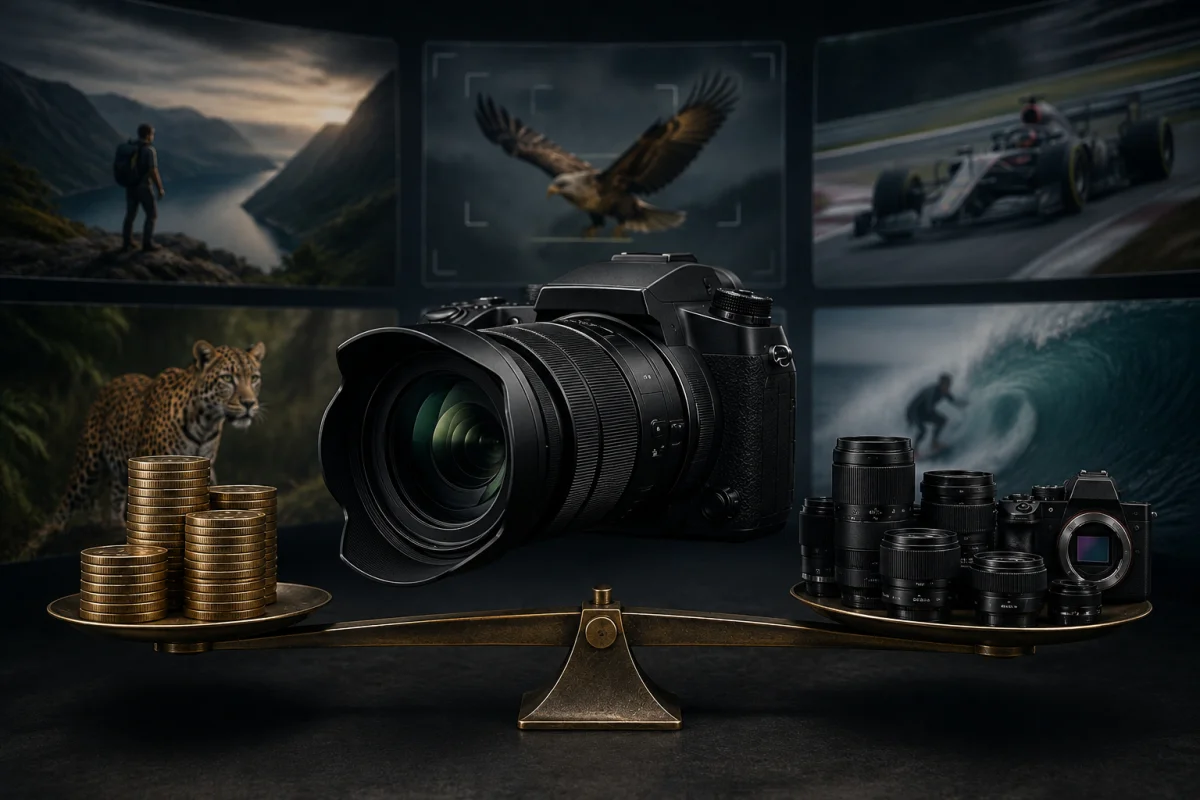
While the Sony RX10 V introduces meaningful improvements, its price is likely to generate discussion among photographers. Sony has announced the camera with a launch price of $2,299.99, placing it well above the RX10 IV’s original launch price. That higher cost reflects the newer processor, AI features, faster shooting performance, and upgraded video tools, but it also places the camera in competition with interchangeable-lens systems.
Some photographers may question whether a premium bridge camera justifies its cost as mirrorless bodies and telephoto lenses continue to expand in the market. Others may see value in a single camera that eliminates the need to carry multiple lenses when traveling or when photographing wildlife.
Who Should Consider the Sony RX10 V
The Sony RX10 V is designed for users who prioritize convenience without giving up advanced camera features. It may be especially suitable for:
- Wildlife and bird photographers needing long reach
- Travelers wanting one camera for multiple situations
- Sports photographers covering outdoor events
- Video creators producing high-quality 4K content
- Hobbyists seeking a premium all-in-one camera
The camera is less likely to appeal to photographers who already own interchangeable-lens systems and frequently upgrade individual lenses for specialized work. Sony has confirmed the Sony RX10 V will begin reaching retailers following its official announcement, with pricing set at $2,299.99 in the United States. Availability may vary by region as local distributors begin accepting orders.