
WhatsApp’s plan to let people message each other using usernames instead of phone numbers has hit a regulatory wall in India. The country’s Ministry of Electronics and Information Technology sent Meta a formal notice on July 1, 2026, ordering the company to hold off on launching the feature in India until further consultations. The ministry gave Meta three days to explain why regulatory action shouldn’t follow, citing fears that the change could open new doors for online fraud. Given that India is WhatsApp’s largest market with more than 500 million users, the outcome of this standoff carries weight for how the feature eventually rolls out worldwide.
What WhatsApp’s New Usernames Feature Actually Announced
Meta unveiled the usernames feature on June 29, describing it as a major step toward giving people more control over their privacy on WhatsApp. Instead of sharing a phone number to start a conversation, users will be able to reserve a unique handle and let others reach them through that instead. The company said reservations opened immediately, even though the feature itself won’t go live until later this year, and it will roll out gradually by country.
WhatsApp also confirmed that creators, businesses, and organizations can claim a username that matches their existing Instagram or Facebook handle, keeping branding consistent across Meta’s apps. There’s no public directory to browse names, and the company added an optional “username key” so people can decide exactly who is allowed to contact them this way.
Read more: WhatsApp Usernames Explained
Why India Is Pausing the WhatsApp Usernames Rollout
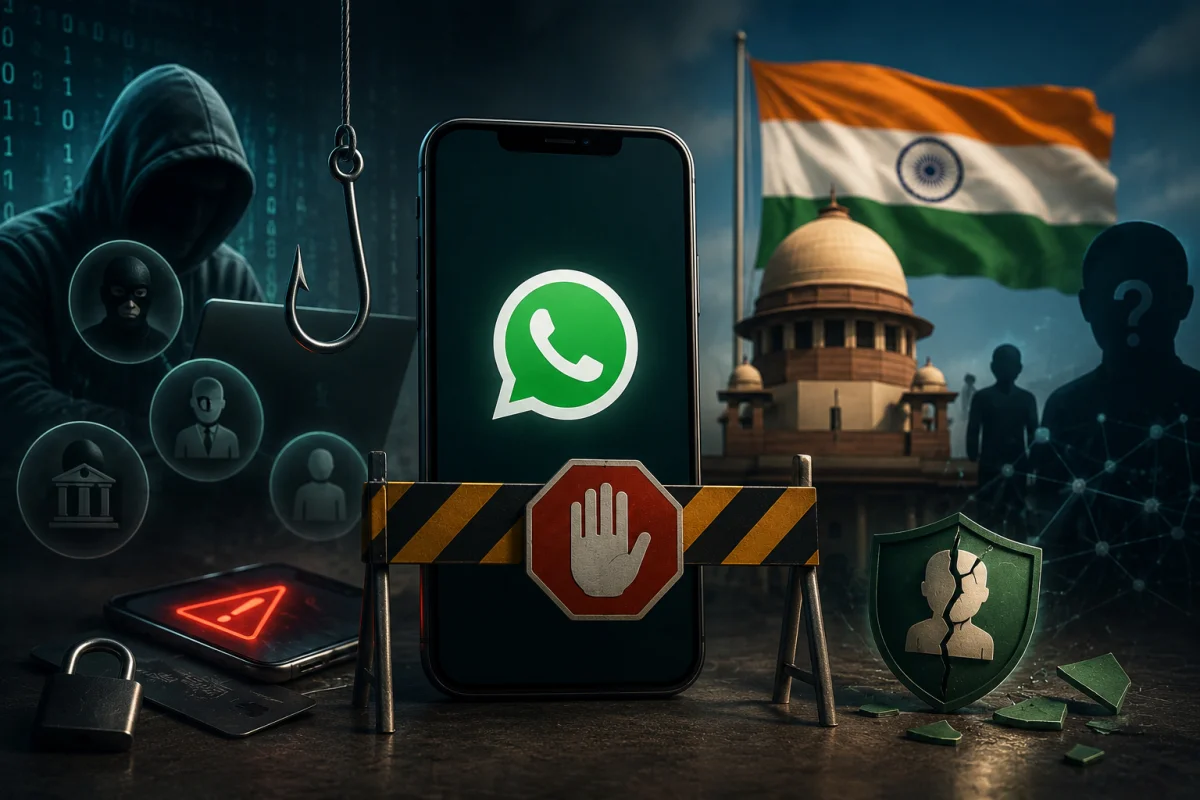
The government’s objection centers on how criminals might exploit the feature. In its notice, the IT ministry warned that WhatsApp usernames “may materially increase the incidence of online fraud, phishing, digital arrest scams and impersonation attacks” by letting bad actors reach victims without revealing a phone number. Officials also flagged the risk of scammers using usernames that closely mimic those of real people, banks, or government agencies to trick users into trusting a fake account.
That concern isn’t hypothetical. Early testing reportedly found that lookalike handles resembling well-known political figures, celebrities, and institutions were still available to reserve on WhatsApp, further deepening regulators’ concerns about impersonation at scale. The notice cited several provisions of India’s IT Act, including sections on identity theft and computer-based impersonation, as well as rules governing how intermediaries like WhatsApp must trace the origin of messages when required.
This isn’t an isolated move. Days earlier, Indian authorities had already scrutinized Telegram over similar anonymity features, and the government has since sent comparable notices to Telegram and Signal about their own username systems. Telegram previously lost a legal challenge against a temporary Indian ban tied to concerns that hidden phone numbers made it harder to trace bad actors during an exam-cheating scandal.
How Meta Is Responding to India’s Fraud Concerns
Meta has pushed back on the idea that WhatsApp usernames create an unmanaged risk. A company spokesperson told CNBC that users still need a phone number to use WhatsApp in the first place, and that the platform has built “multiple layers of defense against scams” into the new system. According to Meta, those safeguards include phone number verification behind the scenes, limits on how quickly new accounts can contact strangers, protections against username guessing, and detection systems meant to catch and remove impersonation attempts.
The company also said it has reserved usernames tied to public figures, government bodies, and verified Meta accounts, along with close variations of those names, so they can only be claimed by their legitimate owners.
Read more: Phishing Attacks Surge
What This Means for WhatsApp Users in India Right Now
Meta has not detailed exactly how it decides which lookalike names to block and which to keep open, a gap that critics say leaves room for abuse. Reaction to the standoff has been mixed. Digital rights group Internet Freedom Foundation has argued that MeitY may be overstepping its legal authority by using intermediary liability rules to dictate product design decisions, rather than allowing fraud and impersonation to be handled under existing criminal law. Industry analysts, meanwhile, note that India already sees more scam activity targeting WhatsApp users than in almost any other country, which helps explain why regulators are treating the rollout with unusual caution.
A few points are worth keeping in mind as this dispute develops:
- The usernames feature is not live anywhere yet, including in India, and Meta says the global rollout will happen gradually through the rest of 2026.
- India’s notice applies specifically to the launch timeline in the country, not a permanent ban on the feature.
- Meta has three days from July 1 to respond formally to the ministry’s questions before any further regulatory steps are considered.
- Users who already reserved a WhatsApp username can keep it, since reservations remain separate from the feature’s actual activation.
For now, WhatsApp users in India can still reserve a preferred username in Settings, but the feature that lets people actually use it to start conversations remains on hold until Meta and the government reach a resolution.