Nintendo has officially rolled out the latest Tomodachi Life: Living the Dream update, bringing the quirky social simulator to version 1.0.2 on Nintendo Switch. Unlike the game’s previous minor patch, this update arrives with an extensive list of fixes that directly address player-reported problems, gameplay progression bugs, and several island-related glitches.
For players searching for the latest Tomodachi Life update patch notes or detailed Tomodachi Life Living the Dream patch notes, version 1.0.2 is one of the most substantial post-launch maintenance updates the game has received so far.
Nintendo Finally Provides Detailed Patch Notes
One of the biggest takeaways from the 1.0.2 update is Nintendo’s unusually transparent approach to documenting fixes. Earlier updates — including version 1.0.1 — vaguely referenced general adjustments and unspecified bug fixes. This time, however, Nintendo outlined a broad range of gameplay issues that have now been resolved.
The update primarily focuses on stability improvements and progression-related problems that affected island management, scripted events, and player interactions.
Read more: Nintendo Revives Star Fox for Switch 2
Major Bugs Addressed in Version 1.0.2
According to the official patch notes, the update fixes numerous gameplay inconsistencies that could disrupt progression or create unusual island behavior. Several of the most notable fixes reportedly include:
- Problems causing specific island events to fail to trigger correctly.
- Bugs affecting Mii interactions and relationship sequences.
- Issues tied to object placement and island customization.
- Stability improvements are intended to reduce crashes and freezes.
- General gameplay corrections for smoother progression.
The patch appears to directly address many of the frustrations players discussed online during the game’s launch window.
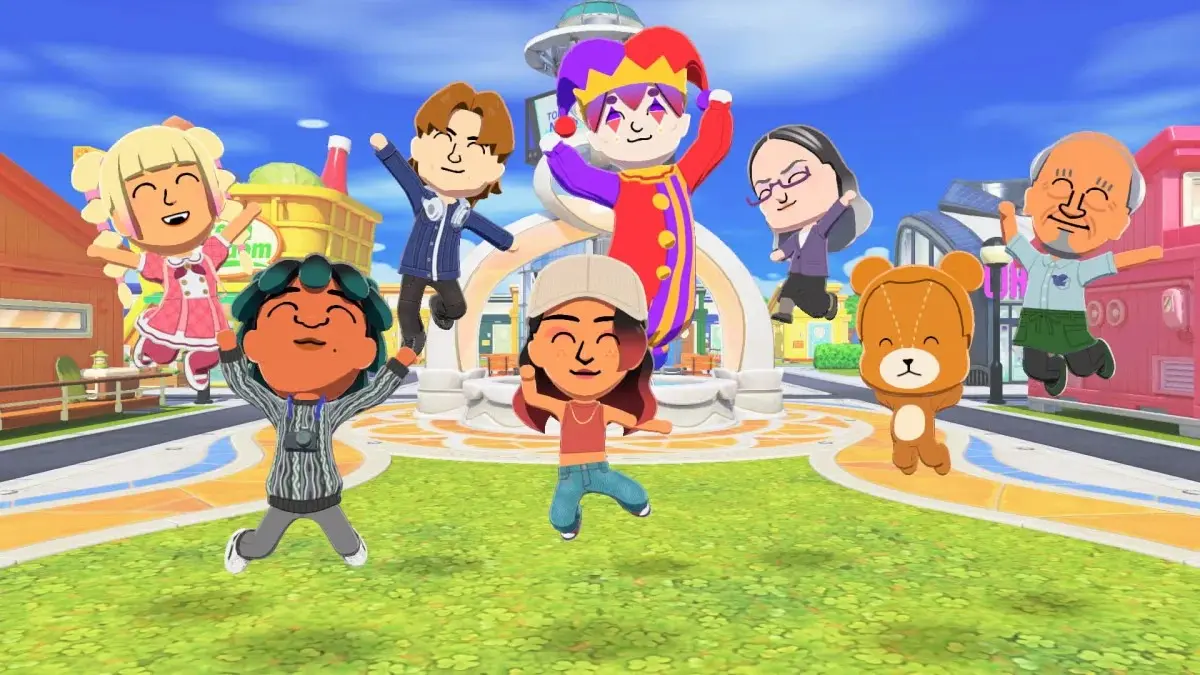
Community-Reported Issues May Have Influenced the Update
Some of the fixes in the update closely resemble bugs that players had been documenting on social media and in forums. One particularly notable issue involved the Wishing Fountain disappearing after players manipulated the island editing systems, which, in some cases, prevented progression-related events from functioning properly.
Players also described cutscenes fading to black and certain scripted moments failing entirely when island structures became corrupted. While Nintendo did not publicly connect individual fixes to community reports, version 1.0.2 strongly suggests the development team prioritized widespread progression-breaking issues.
Read more: Xbox Game Pass Update Revealed
A Critical Update for a Fast-Selling Nintendo Switch Hit
The timing of the patch is especially important given the game’s strong launch momentum. Tomodachi Life: Living the Dream has quickly become one of Nintendo’s breakout Switch releases of 2026, with strong physical sales reported in several regions shortly after launch.
The sequel revived Nintendo’s cult-favorite life simulation franchise after more than a decade, expanding customization options and introducing new social systems while maintaining the unpredictable humor that made the original Nintendo 3DS game popular.
Because the game heavily relies on dynamic AI interactions and long-term island progression, stability patches like version 1.0.2 are especially significant for players who have invested dozens of hours into their save files.
Tomodachi Life: Living the Dream Version 1.0.2 Patch Notes
Nintendo states that the update focuses primarily on bug fixes and improvements to gameplay stability. The patch is now available for download on Nintendo Switch.
Players connected to the internet should receive the update automatically, though it can also be downloaded manually from the Switch software update menu.
Read more: Resident Evil Requiem DLC Leak
Why This Update Matters
Version 1.0.2 may not introduce new gameplay content, but it represents an important stabilization milestone for Tomodachi Life: Living the Dream. The detailed fixes indicate Nintendo is actively monitoring player feedback and addressing technical problems much faster than many fans expected.
For a simulation game built around persistent progression and evolving Mii relationships, preventing save corruption and event failures is arguably more important than adding new features.
If Nintendo continues supporting the game at this pace, future updates could expand customization systems, social events, and online functionality while further improving long-term stability.