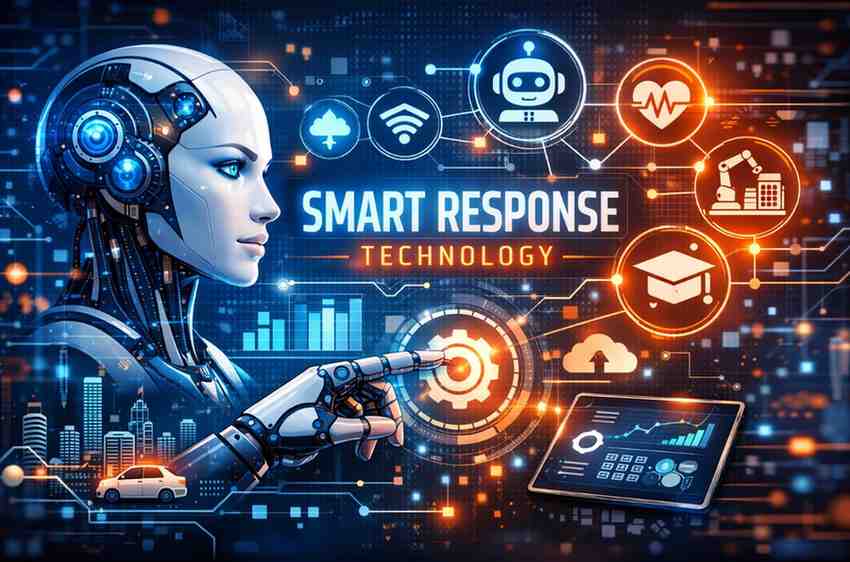
In a world where connectivity and automation are rapidly transforming how we live and work, Smart Response Technology (SRT) stands out as a foundational innovation driving next‑generation interactions between humans and machines. From personalized customer support and adaptive learning platforms to real‑time industrial automation and predictive maintenance, Smart Response Technology powers systems that observe, analyze, decide, and act often without human intervention. This article offers a deep, research‑informed, and practical exploration of what Smart Response Technology is, how it works, why it matters, and how organizations can responsibly leverage it for maximum impact.
What Is Smart Response Technology?
At its core, Smart Response Technology refers to systems and algorithms that can intelligently interpret inputs, whether from users, sensors, or other systems and respond with contextually appropriate actions. SRT is grounded in data analysis, machine learning, and automation, enabling machines to mimic aspects of human judgment while operating at digital speed and scale. Unlike traditional rule‑based systems that follow predefined instructions, smart response solutions adapt based on patterns, context, and experience.
They learn over time, refine their responses, and continually optimize performance to deliver faster, more accurate, and more meaningful results. In practice, Smart Response Technology is not a single tool but rather a broad ecosystem of techniques and platforms that collectively enable responsive and adaptive behavior across digital environments.
The Core Components of Smart Response Technology
Understanding Smart Response Technology requires unpacking several interrelated components that make intelligent responses possible:
Data Collection and Sensing
Smart systems rely heavily on data to make informed decisions. They gather information from various sources, including user inputs such as text, voice, gestures, and personal preferences. Environmental sensors also play a key role by tracking factors like temperature, motion, and location. Additionally, operational data, including system logs, usage patterns, and performance metrics, provides insight into how the system is functioning. Each of these inputs acts as a signal that contributes to the system’s overall situational awareness, enabling it to respond intelligently to different scenarios.
Data Processing and Interpretation
Once data is collected, it needs to be properly contextualized to be useful. Natural Language Processing (NLP) transforms human language into structured meaning, while Computer Vision interprets visual data to support decision-making. Context engines further analyze behavior history to infer user intent. This contextualization step ensures that the system fully understands what is happening before determining the appropriate response.
Machine Learning and Adaptation
At the heart of Smart Response Technology (SRT) is its ability to learn and adapt. Predictive models help anticipate future trends or user actions, while reinforcement learning enables the system to trial different responses and refine them over time. Feedback loops further allow the system to update its decisions based on real-time results. In essence, a smart response solution doesn’t just perform tasks; it continuously improves and becomes more effective with experience.
Decision and Action Frameworks
After interpreting data and applying learned insights, the system begins executing actions. It can run automated workflows to complete tasks efficiently, provide real-time alerts whenever human attention is needed, and adjust interfaces dynamically based on the current user context. Together, these components allow machines to operate intelligently and respond effectively to changing situations.
How Smart Response Technology Works
To make abstract ideas concrete, let’s examine how Smart Response Technology operates across typical stages of interaction:
Step 1: Detect
In this initial step, the system captures data from various sources such as sensors, cameras, or direct user inputs. This allows the system to become aware of its environment or the user’s actions. For example, voice-activated smart assistants detect spoken commands using microphones, enabling the system to recognize what the user wants. Detection is crucial because accurate data capture forms the foundation for all subsequent processing and decision-making. Without proper detection, the system cannot respond effectively.
Step 2: Interpret
Once data is captured, it must be interpreted to extract meaningful information. Raw inputs are transformed into a structured, contextually relevant format that the system can understand. For instance, Natural Language Processing (NLP) algorithms analyze spoken commands and convert them into actionable intent. This step ensures that the system knows not just what was said or observed, but also what it means, which is essential for making informed decisions.
Step 3: Decide
After interpretation, the system evaluates the information using algorithms and learned behaviors to determine the most appropriate action. This decision-making process may involve predictive modeling, pattern recognition, or referencing a knowledge base. For example, a customer support chatbot selects the best answer from its database to respond accurately to a user query. The system considers context, priorities, and historical data to ensure the decision aligns with the intended goal.
Step 4: Act
Once a decision is made, the system executes the chosen action in real time. This could involve triggering automated workflows, sending notifications, or adjusting user interfaces. For example, an automated system might send a follow-up email to a user after they submit a form. Acting promptly and accurately is essential for maintaining efficiency and responsiveness, as it translates the system’s analysis into tangible results that impact users or processes.
Step 5: Learn
The final step involves learning from the outcomes of actions to improve future performance. Feedback from the system’s actions, whether from user responses, system metrics, or environmental changes, is analyzed to refine decision-making processes. This enables adaptive behavior, allowing the system to become more intelligent and effective over time. By learning continuously, the system improves accuracy, reduces errors, and enhances overall efficiency in responding to similar situations in the future.
Benefits of Smart Response Technology
There are the following benefits of smart response technology:
Enhanced Performance
One of the primary benefits of Smart Response Technology is enhanced system performance. By utilizing the speed of an SSD for caching, systems can achieve faster boot times, quicker application launches, and improved responsiveness. Users who frequently multitask or rely on resource-intensive applications will benefit from this.
Cost-Effective Storage Solution
What is Smart Response Technology offering in terms of cost savings? Instead of investing in a large, expensive SSD, users can pair a smaller, more affordable SSD with their existing HDD. This setup provides many speed advantages of an SSD without the high cost, making it an attractive option for budget-conscious users.
Extended HDD Lifespan
By reducing the frequency of data retrieval from the HDD, Smart Response Technology can help extend the lifespan of your traditional hard drive. Less wear and tear on the HDD means fewer chances of mechanical failure, resulting in a more reliable and durable storage solution.
Where Smart Response Technology Shines: Applications and Use Cases
Customer Experience and Support
Customers today increasingly expect fast and accurate support across multiple channels, and Smart Response Technology (SRT) helps meet these demands. Intelligent chatbots can handle over 80% of common inquiries without requiring human intervention, providing immediate assistance. The system also offers real-time personalization, tailoring responses based on each customer’s history and preferences.
Additionally, sentiment analysis allows the system to adjust tonality and urgency in replies to match the customer’s mood or concern. Companies like Amazon and Zoom leverage smart response systems to improve self-service options and significantly reduce wait times.
Education and Adaptive Learning
In education technology, Smart Response Technology (SRT) helps personalize student experiences by adapting to individual performance. Systems can adjust the difficulty of tasks based on a learner’s progress, ensuring challenges are appropriate. Students receive instant feedback along with recommended remediation paths to address gaps in understanding.
Meanwhile, teachers gain valuable insights into learning patterns, which can inform instructional strategies. Together, these features create a more responsive and effective learning environment that supports the needs of diverse learners.
Healthcare Diagnostics and Monitoring
In healthcare, timely and intelligent responses can make a critical difference in patient outcomes. Remote patient monitoring systems detect anomalies and immediately trigger alerts to ensure swift intervention. Diagnostic support tools analyze both historical and real-time data to identify potential conditions accurately.
Predictive health models further anticipate risks before they become critical, allowing preventive measures to be taken. By integrating these capabilities, smart systems assist clinicians in making data-driven decisions while prioritizing urgent cases, ultimately enhancing patient care and safety.
Industrial Automation and IoT
Smart Response Technology (SRT) is transforming modern industries by enabling machines to self-adjust their performance based on real-time operational conditions. Predictive maintenance helps reduce downtime by identifying and addressing potential issues before they lead to failures. By combining sensors and AI, systems can optimize energy usage, production throughput, and workplace safety. Manufacturers leverage these capabilities to improve overall efficiency, enhance productivity, and cut operational costs.
Smart Cities and Infrastructure
Urban environments are increasingly using smart systems to enhance public services and improve city living. Traffic lights can adapt to real-time flow patterns to reduce congestion, while utility systems monitor usage and dynamically reroute resources to prevent outages. Public safety systems detect anomalies and quickly dispatch appropriate responses to incidents. Cities like Singapore and Barcelona serve as examples of how Smart Response Technology (SRT) can be applied at scale to make urban areas more efficient, safe, and livable.

Best Practices for Implementing Smart Response Technology
Organizations should adopt a thoughtful plan when integrating SRT into operations. The following best practices ensure sustainable implementation:
Start with Clear Objectives
Before deciding how to implement a solution, it’s important to define the why. Are you aiming to improve customer support, reduce operational costs, or enhance personalization? Identifying clear goals helps ensure that the chosen strategies are aligned with desired outcomes and provides a basis for measuring success effectively.
Prioritize Data Quality and Governance
Smart response systems can only be as effective as the quality of the data they rely on, making solid data management practices essential. This includes standardizing data to ensure consistency, validating information to maintain accuracy, and implementing strong security protocols to protect sensitive information. By following these practices, organizations can maintain good data governance, which helps prevent downstream errors, inaccuracies, and potential risks.
Choose the Right Technology Stack
When selecting a platform, it’s important to evaluate options based on your specific needs. Consider whether the platform offers scalable cloud infrastructure, robust analytics engines, and seamless integration with your existing systems. Choosing technology that is future-proof helps ensure long-term value and prevents costly replacements or upgrades down the line.
Implement Incrementally
Instead of attempting a complete transformation overnight, it’s better to take a gradual and controlled approach. Begin by piloting the system in controlled environments, then carefully evaluate its performance and make necessary refinements. Once proven effective, scale the implementation progressively across the organization. This iterative method minimizes risk while maximizing learning and ensures smoother, more successful adoption.
Build Cross‑Functional Teams
Smart Response Technology impacts multiple domains, including IT, operations, compliance, and customer support. Ensuring cross-functional collaboration helps maintain alignment across departments and fosters shared accountability. It also provides broader insights into system behavior, as diverse teams contribute different perspectives. These varied viewpoints enhance both the design and ongoing evolution of the system, making it more effective and adaptable.
Monitor, Evaluate, and Improve
Post-deployment work is an ongoing process that extends beyond simply launching a system. It involves tracking key performance indicators (KPIs) to measure effectiveness, soliciting user feedback to understand real-world experiences, and continuously refining models based on new data. This dedication to constant improvement ensures that the system evolves over time, distinguishing true innovation from stagnation.
The Future of Storage with Smart Response Technology
Smart Response Technology typically refers to a caching mechanism that uses a solid-state drive (SSD) to enhance the performance of a traditional hard disk drive (HDD) by caching frequently accessed data. When considering the future of storage with Smart Response Technology, several trends and advancements come into play:
Performance Enhancement
SSD caching significantly boosts storage systems’ overall performance by reducing latency and improving data access times. As SSD technology evolves, we can expect even faster cache mechanisms and better integration with HDDs or newer storage technologies.
Integration with AI and Machine Learning
AI-driven algorithms analyze usage patterns and AI data analytics to make smarter decisions about what information should be stored in cache. By predicting which data will be needed most, these systems can prioritize storage efficiently. This intelligent caching reduces delays and improves access speed, ultimately enhancing overall system performance.
Scalability
Smart Response Technology can adapt as storage needs grow exponentially by scaling to larger storage capacities and supporting more complex storage architectures, such as distributed storage systems and cloud-based solutions.
Data Security
Future developments might focus on enhancing data security within caching mechanisms. Techniques such as encryption and improved data management policies can ensure that cached data remains secure and protected from unauthorized access.
Hybrid Storage Solutions
The future could see the integration of Smart Response Technology with other storage technologies, such as NVMe (Non-Volatile Memory Express) SSDs or emerging storage class memory (SCM) technologies. This integration aims to provide a more versatile and responsive storage infrastructure.
Energy Efficiency
With increasing emphasis on sustainability, future Smart Response implementations may focus on optimizing energy consumption without compromising performance. Techniques like power-aware caching algorithms could play a role here.
Overall, the future of storage with Smart Response Technology looks promising, with advancements geared towards faster, more efficient, and more secure storage solutions that are flexible enough to change to meet the demands of today’s computing settings.
Conclusion
Smart Response Technology is not merely a buzzword; it represents a paradigm shift in how systems interact with the world. By combining adaptive learning, real‑time data interpretation, and automated decision‑making, smart response solutions deliver intelligence and responsiveness at scale.
From transforming customer engagement to optimizing industrial operations, SRT empowers organizations to be more efficient, personalized, and predictive than ever before. At the same time, thoughtful implementation that emphasizes privacy, fairness, and transparency is critical to sustaining trust in an increasingly automated landscape.
Whether you are a business leader planning your digital strategy or a technologist building intelligent systems, understanding Smart Response Technology and its implications is essential to thriving in the ever‑evolving digital economy.
Frequently Asked Questions (FAQs)
What exactly does Smart Response Technology mean?
Smart Response Technology refers to systems that can sense input, interpret meaning, decide on an appropriate action, and then execute that action autonomously, often improving with experience over time.
Where is Smart Response Technology used today?
Today, SRT is used in customer support bots, adaptive learning platforms, healthcare monitoring, industrial automation, smart city infrastructure, and many other areas requiring real‑time intelligent responses.
How is Smart Response Technology different from traditional automation?
Traditional automation follows fixed rules, while Smart Response Technology adapts based on data, learns from outcomes, and responds contextually to evolving situations.
Are there privacy concerns with Smart Response Technology?
Yes, because these systems often use personal or operational data, ethical implementation requires strong privacy and security measures, transparent policies, and compliance with data protection laws.
Can small businesses benefit from Smart Response Technology?
Absolutely. Even small organizations can leverage SRT through cloud‑based solutions to improve customer interactions, streamline workflows, and gain data‑driven insights without heavy upfront investment.