
Technology is the backbone of human advancement. From the invention of the wheel to artificial intelligence, technology drive innovation and progress, transforming how we live, work, and interact. In today’s rapidly evolving world, the role of technology extends far beyond convenience; it powers economic growth, boosts productivity, and creates opportunities for solving global challenges.
This article explores how technology drives innovation, the key areas impacted, real-world examples, benefits, challenges, and future trends. Following a clear topical map, it provides actionable insights for students, professionals, entrepreneurs, and anyone interested in understanding the transformative power of technology.
What Is Technology Drive?
The term technology drive embodies the relentless momentum of technological progress. It has various interpretations, including:
Technology-Driven Society or Business
This refers to systems that depend heavily on technology, where businesses use automation to boost efficiency and reduce errors, and societies stay connected through digital networks. Technology becomes central to daily operations, enabling faster communication, smoother workflows, and easier access to information. These systems rely on digital tools not just for convenience but as a core part of their operation. Overall, technology drives both productivity and connectivity in modern environments.
Electronics Disposal Programs
These initiatives focus on promoting responsible disposal of electronic devices to reduce e-waste and protect the environment. They encourage recycling, safe handling of hazardous materials, and reusing components whenever possible. By managing electronics sustainably, they help conserve resources and minimize pollution. Overall, such efforts support a cleaner, more eco-friendly approach to technology use.
Drive Technology
Covers innovations in powering and moving machinery, from motors to advanced engineering systems. Drive technology deals with how things are powered and moved. This includes gears, motors, and engines, and how they create movement. Understanding its diverse applications allows us to appreciate how technology drive innovation and progress across industries.

Understanding How Technology Drives Innovation
Innovation is the creation of new ideas, products, or processes that improve efficiency, solve problems, or enhance life. Technology enables this innovation. It provides tools, platforms, and frameworks that accelerate experimentation, design, and implementation.
For instance, cloud computing allows developers to build and test applications without investing in expensive hardware. Similarly, data analytics provides actionable insights that guide decision-making in business, healthcare, and education. In short, without technology, many innovations would be impossible or significantly delayed.
Key Drivers of Technological Innovation
1. Artificial Intelligence and Machine Learning
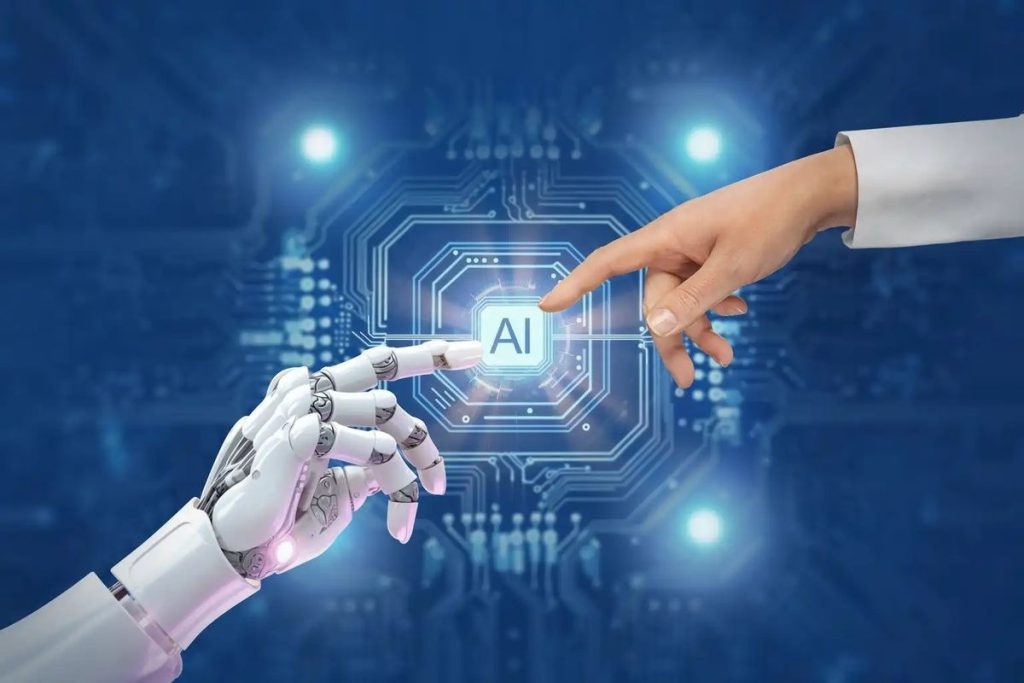
AI and machine learning are leading the way in technological advancement, automating tasks, analyzing massive datasets, and predicting trends faster than humans can. They power applications like personalized recommendations on e-commerce sites, predictive maintenance in manufacturing, and automated diagnostics in healthcare. By providing smarter insights and supporting better decisions, AI not only improves efficiency but also accelerates innovation across a wide range of industries.
2. Internet of Things (IoT)
The Internet of Things (IoT) connects everyday devices to the internet, enabling them to communicate and exchange data, opening the door to new business models and greater efficiency. Examples include smart homes that manage energy use, connected vehicles that enhance traffic safety, and industrial IoT systems that optimize production lines. By enabling devices to work together intelligently, IoT creates innovative ecosystems and opportunities that were previously impossible.
3. Blockchain and Decentralized Technology
Blockchain provides transparency, security, and accountability in digital transactions, going beyond cryptocurrencies to transform entire industries by removing intermediaries. Its applications include supply chain traceability, secure digital identity verification, and transparent voting systems. By enabling trustworthy, tamper-proof processes, blockchain supports innovations that make operations faster, safer, and more reliable across sectors.
4. Renewable Energy and Clean Tech
Technological innovation in renewable energy is essential for sustainable development, with solar panels, wind turbines, and energy storage systems transforming how we produce and use power. These advancements help reduce carbon emissions, provide affordable energy to remote areas, and enable smart grids that manage supply efficiently. By improving both access and efficiency, such technologies play a critical role in supporting long-term environmental sustainability and global progress.
5. Advanced Communication Technologies
Technologies like 5G, satellite internet, and fiber optics have revolutionized communication by enabling high-speed data transfer and worldwide connectivity. They enable remote work and education, extend telemedicine services to rural areas, and support real-time collaboration across borders. By seamlessly connecting people, ideas, and resources, these advancements drive innovation and transform how we interact and share information globally.
How Technology Impacts Economic Growth
Technology drives economic growth by boosting productivity and creating new industries, as automation takes over labor-intensive tasks, freeing humans to focus on creative and strategic work. For example, e-commerce platforms like Amazon have generated millions of jobs and global marketplaces, fintech innovations simplify banking and expand financial access, and AI-driven logistics optimize supply chains, cutting costs and improving efficiency. Widespread adoption of technology often leads to higher GDP growth, stronger competitiveness, and a better overall quality of life.
Societal Benefits of Technology-Driven Innovation
Education and Knowledge Access
Technology has transformed how people learn by making education widely accessible. Online courses, e-books, digital libraries, and virtual classrooms allow students from anywhere in the world to gain knowledge without traditional barriers like location or cost. This democratization of education empowers lifelong learning, skill development, and greater equality in educational opportunities.
Healthcare Improvements
Advances in technology have significantly improved healthcare delivery. Telemedicine allows patients to consult doctors remotely, while robotic surgeries and AI-assisted diagnostics enable more precise and faster treatments. These innovations lead to personalized care, quicker diagnoses, and overall better patient outcomes, making healthcare more effective and accessible.
Environmental Sustainability
Technology plays a key role in protecting the environment and promoting sustainable practices. Smart agriculture uses sensors and data to optimize crop growth, renewable energy systems like solar and wind reduce dependence on fossil fuels, and eco-friendly manufacturing minimizes waste and emissions. These innovations help conserve resources and reduce the environmental impact of human activities.
Social Connectivity
Modern technology connects people across the globe through social media, messaging apps, and video conferencing platforms. This connectivity fosters collaboration, strengthens communities, and allows ideas to spread quickly across cultures. By enabling instant communication and shared experiences, technology enhances social interaction and drives innovation in personal and professional contexts.
Benefits of Technology Drive Innovation and Progress
The impact of technology spans many areas of life, enhancing efficiency by automating tasks to reduce human error and streamline processes. It improves communication by enabling instant global connectivity, while the internet provides widespread access to knowledge, empowering individuals to learn and grow. Technological advancements drive innovation in medicine, engineering, and education, offering solutions to global challenges, and green technologies support sustainability by promoting environmental responsibility and reducing carbon footprints.
Challenges in Technology Drive Innovation and Progress
While the drive of technology brings many benefits, it also presents important challenges that need attention. Greater reliance on tech increases the risk of cybersecurity threats and data breaches, while unequal access to technology can widen the digital divide and deepen societal gaps. Additionally, AI and automation raise ethical concerns, including job displacement and privacy issues. By acknowledging these challenges, we can promote responsible and balanced integration of technology into society.

The Future of Technology Drive Innovation and Progress
Cloud computing and virtual collaboration tools are transforming work by enabling remote and flexible arrangements, with many companies adopting hybrid models that support inclusivity and access to global talent. Education is also evolving through interactive e-learning platforms and immersive VR/AR technologies, making learning more engaging and widely accessible. At the same time, technological innovations in recycling, energy storage, and AI-driven environmental monitoring are reshaping sustainability practices, helping industries and communities reduce their environmental impact.
Conclusion
Technology is not just a tool, it is a catalyst for technology innovation and progress. By enabling new ideas, improving efficiency, and connecting the world, technology drives human advancement in every sphere. While challenges exist, responsible adoption and continuous innovation can lead to sustainable growth, improved quality of life, and a more connected, advanced global society. Understanding how technology drives progress is essential for students, professionals, and policymakers who want to leverage innovation effectively for a better future.
Frequently Asked Questions (FAQs)
What does technology drive mean?
Technology drive is the momentum of innovation that transforms industries, societies, and daily life through continuous technological advancements.
How does technology drive innovation?
It drives innovation by automating tasks, improving efficiency, and enabling breakthroughs in AI, renewable energy, IoT, and healthcare.
Which industries benefit most from the technology drive?
Healthcare, renewable energy, manufacturing, education, and smart cities benefit most by using tech to improve efficiency, access, and sustainability.
How does technology drive sustainability?
Technology supports sustainability through renewable energy, smart grids, e-waste recycling, and AI-powered environmental monitoring.
What challenges come with the technology drive?
Key challenges include cybersecurity risks, unequal access to technology, job displacement, and ethical concerns about AI and automation.