If you have recently come across the term edivawer and felt confused about what it means, how it works, or why people are talking about it, you are not alone. Many users search for edivawer online but struggle to find clear, structured, and practical information. That is exactly why this guide exists. In this detailed article, you will learn what edivawer is, how it works, why it is gaining attention, and how to use it effectively in your projects. By the end of this guide, you will have a complete understanding of edivawer and how it can benefit you.
What Is Edivawer?
Edivawer is a term gaining attention in digital spaces, especially among tech enthusiasts, developers, and online creators. While the word may sound unfamiliar at first, edivawer generally refers to a system, concept, or platform designed to improve digital processes, enhance productivity, or streamline workflows.
The main idea behind Edivawer revolves around efficiency and smart integration. Whether used in content creation, digital management, or technical systems, edivawer focuses on simplifying complex tasks and making them easier to manage. As digital transformation continues to grow, tools and systems like edivawer are becoming increasingly important.
The Origin and Concept Behind Edivawer
How Edivawer Started
The concept of edivawer developed as digital demands increased. Businesses and individuals needed more efficient ways to manage data, content, automation, and communication. Traditional systems often required manual effort, which consumed time and resources. Edivawer emerged as a solution to bridge this gap. It was designed with adaptability in mind. Instead of being limited to a single function, edivawer can often integrate with various digital environments. This flexibility is one of the reasons it continues to grow in popularity.
The Core Philosophy of Edivawer
At its core, edivawer is built around three main principles: simplicity, efficiency, and scalability. The system is designed to make processes easier without sacrificing performance. It allows users to scale operations as needed, making it suitable for both small projects and larger implementations. This balance between simplicity and power makes Edivawer attractive to modern users who need reliable digital solutions.
How to Get Started with Edivawer
Step One: Define Your Goals
Before implementing edivawer, clearly define your objectives. Determine whether you want to improve productivity, automate workflows, or enhance data analysis. Clear goals make it easier to configure the system effectively.
Step Two: Configure the System
Once your goals are defined, set up edivawer according to your needs. Adjust workflows, connect necessary tools, and test basic functions. Testing ensures that everything runs smoothly before full implementation.
Step Three: Monitor and Optimise
After launching edivawer, monitor its performance regularly. Identify areas for further optimisation. Continuous improvement helps maximise the value of edivawer over time.
Key Features of Edivawer
Smart Integration Capabilities
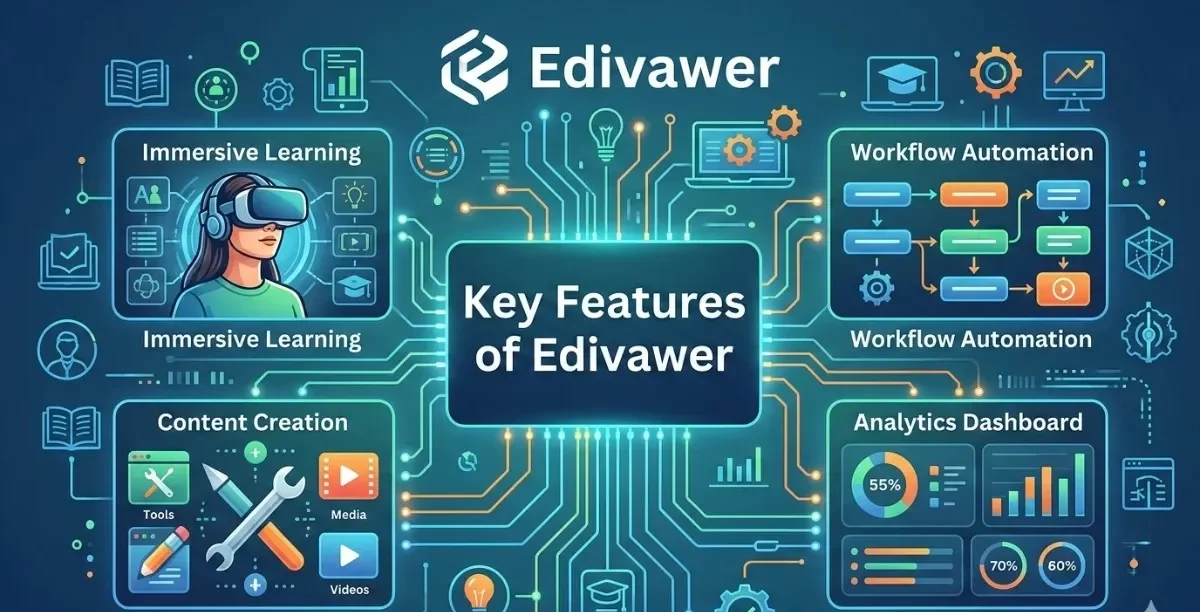
One of the strongest features of edivawer is its ability to integrate with other tools and systems. Instead of replacing everything, edivawer works alongside existing platforms. This reduces disruption and allows smoother transitions. For example, users can connect edivawer with content management systems, analytics tools, or workflow automation platforms. This interconnected approach improves productivity and reduces manual errors.
User-Friendly Interface
Many digital tools fail because they are too complicated. Edivawer focuses on usability. Its interface is typically structured to allow beginners to understand it quickly while still offering advanced features for experienced users. This balance between simplicity and depth makes edivawer suitable for a wide audience.
Automation and Optimisation
Automation plays a central role in edivawer. By automating repetitive tasks, users can focus on strategic decisions instead of routine work. Whether it involves content scheduling, data management, or performance tracking, edivawer helps optimise operations. Over time, this automation leads to increased efficiency and improved overall performance.
How Edivawer Works
The Basic Framework
Edivawer typically operates through a structured digital framework. Users input data or configure settings according to their needs. The system then processes this information using predefined algorithms or workflows. The output depends on how edivawer is configured. It may generate reports, automate actions, or organise content. The flexibility of this framework is one reason Edivawer adapts well to different use cases.
Customisation and Flexibility
Customisation is another important aspect of edivawer. Users can often modify settings, workflows, and configurations to meet their goals. This ensures that edivawer does not operate as a rigid system but instead adapts to specific requirements. For businesses, this flexibility is extremely valuable. It allows them to align edivawer with their existing strategies without rebuilding their entire infrastructure.
Benefits of Using Edivawer
Increased Productivity
One of the biggest advantages of edivawer is improved productivity. By reducing manual tasks and automating repetitive processes, users can save significant time. This allows teams to focus on creative and strategic work instead of routine operations. In the long term, this increase in productivity can directly impact revenue and growth.
Improved Accuracy
Human error is common in manual processes. Edivawer reduces this risk by automating calculations, tracking, and workflows. This improves data accuracy and reliability. Accurate data is essential for making informed decisions. With edivawer, users can rely more confidently on the information they receive.
Scalability for Growth
As projects or businesses grow, their needs become more complex. Edivawer is designed to scale with growth. Whether managing small datasets or large-scale operations, the system adapts accordingly. This scalability ensures that users do not need to switch platforms frequently as they expand.
Edivawer in Digital Marketing
Content Management and Optimisation
In digital marketing, edivawer can play a powerful role in content organisation and performance tracking. Marketers often deal with multiple campaigns, platforms, and metrics. Edivawer helps streamline these tasks. It can assist in scheduling content, tracking engagement, and analysing performance trends. This allows marketers to make data-driven decisions more efficiently.
SEO and Data Analysis
Search engine optimisation requires constant monitoring and adjustments. Edivawer can simplify this process by centralising analytics and performance reports. Instead of switching between multiple tools, users can access key insights in one place. This unified approach makes SEO strategies more manageable and effective.
Edivawer for Businesses
Workflow Automation
Businesses often struggle with repetitive administrative tasks. Edivawer helps automate these workflows, reducing workload and improving consistency. For example, routine reporting, internal communication triggers, or project updates can be automated using edivawer. This ensures smoother operations and better time management.
Cost Efficiency
By improving productivity and reducing manual labour, edivawer can help businesses cut operational costs. Automation reduces the need for excessive workforce in certain areas, allowing resources to be allocated more strategically. In competitive markets, cost efficiency can be a significant advantage.
Common Challenges with Edivawer
Learning Curve
Although Edivawer is designed to be user-friendly, new users may still experience a learning curve. Understanding all features and configurations can take time. However, once users become familiar with the system, its benefits usually outweigh the initial effort.
Integration Complexity
In some cases, integrating Edivawer with existing systems may require technical knowledge. Businesses with complex infrastructures may need expert assistance during setup. Proper planning and testing can minimise these challenges.
The Future of Edivawer
As digital transformation accelerates, systems like edivawer are likely to become more advanced. Artificial intelligence, predictive analytics, and smarter automation may further enhance its capabilities. The future of edivawer lies in deeper integration, improved customisation, and more intelligent decision-making features. Users who adopt it early may gain a competitive advantage.
Conclusion
Edivawer represents a modern approach to digital efficiency. Whether used for marketing, business management, or workflow automation, it offers powerful tools for improving productivity and accuracy. By simplifying complex processes and enabling smarter integration, edivawer helps individuals and organisations stay competitive in an increasingly digital world. If you are looking to streamline your operations and improve efficiency, exploring edivawer could be a smart step forward. With proper planning and consistent optimisation, edivawer has the potential to transform how you manage digital tasks.
Frequently Asked Questions (FAQs)
What exactly is edivawer used for?
Edivawer is used to improve digital workflows, automate repetitive tasks, and enhance productivity. It can support content management, data analysis, and business operations.
Is eDivawer suitable for small businesses?
Yes, edivawer is scalable and can be used by both small businesses and large organisations. Its flexibility makes it adaptable to different needs.
Does edivawer require technical skills?
Basic usage of Edivawer may not require advanced technical knowledge. However, complex integrations might need technical expertise.
Can edivawer improve SEO performance?
Edivawer can help centralise data, track performance metrics, and automate reporting, which supports better SEO strategies.
Is Edivawer future-proof?
As digital technology evolves, edivawer is expected to integrate more advanced features, such as AI and smarter automation, making it adaptable for the future.