Schools, colleges, and businesses are under constant pressure to teach and train more effectively, and technology has become the backbone of that effort. This is where instructional technology services come in. They combine tools, training, and strategy to help educators and organizations deliver better learning experiences, whether in a classroom, an online course, or a corporate training program.
Instructional technology services cover everything from selecting the right learning management system to designing digital curricula and training staff on new platforms. Done well, they close the gap between having technology and actually using it effectively. This guide breaks down what instructional technology services include, why they matter, the different types available, and how organizations can implement them successfully, so you can make informed decisions about the tools and support your learners truly need.
What Are Instructional Technology Services?
Instructional technology services refer to the tools, strategies, and professional support used to integrate technology into teaching and learning. This includes everything from selecting digital platforms to training educators on how to use them effectively. Rather than focusing on hardware alone, instructional technology services center on how technology is applied to improve instruction, engagement, and learning outcomes. They are typically delivered by specialists who understand both pedagogy and technology, ensuring that tools are not just adopted but used in ways that genuinely support teaching goals. This makes them essential for schools, universities, and organizations aiming to modernize how they teach.
Instructional Technology vs. Educational Technology
These terms are often used interchangeably, but there is a subtle difference. Educational technology refers broadly to the tools and devices used in learning environments, such as software, hardware, and digital platforms. Instructional technology services go a step further, focusing on how those tools are strategically applied to design, deliver, and support instruction. In short, educational technology is the “what,” while instructional technology is the “how.” Understanding this distinction helps organizations choose the right kind of support, whether they need new tools, a better implementation strategy, or both working together.
Instructional Design vs. Instructional Technology
Instructional design and instructional technology are closely related but serve different roles. Instructional design focuses on structuring content, learning objectives, and assessments to create effective courses, regardless of the medium. Instructional technology services apply technological tools and systems to support that design, making lessons more interactive, accessible, and scalable. Many instructional technology specialists also have training in instructional design, allowing them to build courses and select the right technology to deliver them. Together, these disciplines ensure that learning content is both well structured and well supported by the tools used to teach it.
Who Provides Instructional Technology Services
Instructional technology services are typically provided by dedicated specialists, technology coaches, or consulting teams within school districts, universities, or private firms. These professionals work closely with teachers, administrators, and IT departments to assess needs, recommend tools, and provide ongoing training. In larger institutions, this may involve an entire instructional technology department. Smaller organizations often rely on outsourced instructional technology services to access the same level of expertise without building an internal team. Regardless of the provider, the goal remains consistent: helping educators use technology confidently and effectively to improve learning outcomes.
Why Instructional Technology Matters
Technology alone does not improve learning. What matters is how it is implemented, and that is exactly the gap instructional technology services are designed to close. When schools and organizations invest in proper planning, training, and support, technology becomes a genuine driver of better teaching and learning rather than a distraction or an underused expense. This is why instructional technology matters so much in modern education and training environments. It transforms static content into interactive experiences, gives educators real-time insight into student progress, and makes learning more accessible to a wider range of learners.
Impact on Student Engagement and Outcomes
Well-implemented instructional technology keeps students more engaged by making lessons interactive, personalized, and relevant to how they already interact with digital tools. Features like instant feedback, gamified assessments, and multimedia content help hold attention and reinforce understanding. Data collected through learning platforms also allows educators to identify struggling students earlier and adjust instruction accordingly. Instructional technology services help ensure these tools are used with intention rather than added for novelty. The result is often measurable improvement in comprehension, participation, and overall academic performance across diverse learning environments.
Benefits for Teachers and Administrators
Instructional technology services do not just support students; they directly benefit educators and administrators as well. Teachers gain access to tools that simplify lesson planning, grading, and communication, freeing up time for actual instruction. Administrators benefit from centralized data that helps track performance trends across classrooms or entire districts. With proper training and support, staff feels more confident using new systems instead of resisting them. This reduces burnout tied to clunky technology adoption and creates a more efficient, collaborative environment where educators can focus on teaching rather than troubleshooting tools.
ROI of Investing in Instructional Technology
Investing in instructional technology services delivers returns that go beyond the initial cost of tools or training. Improved efficiency in lesson delivery, reduced administrative workload, and better student outcomes all contribute to long-term value. Institutions that invest in proper implementation avoid the common pitfall of purchasing expensive platforms that go unused due to lack of training. Instructional technology services help maximize existing technology investments by ensuring staff know how to use them effectively. Over time, this leads to stronger performance metrics, higher staff retention, and a more sustainable approach to educational technology spending.
Types of Instructional Technology Services
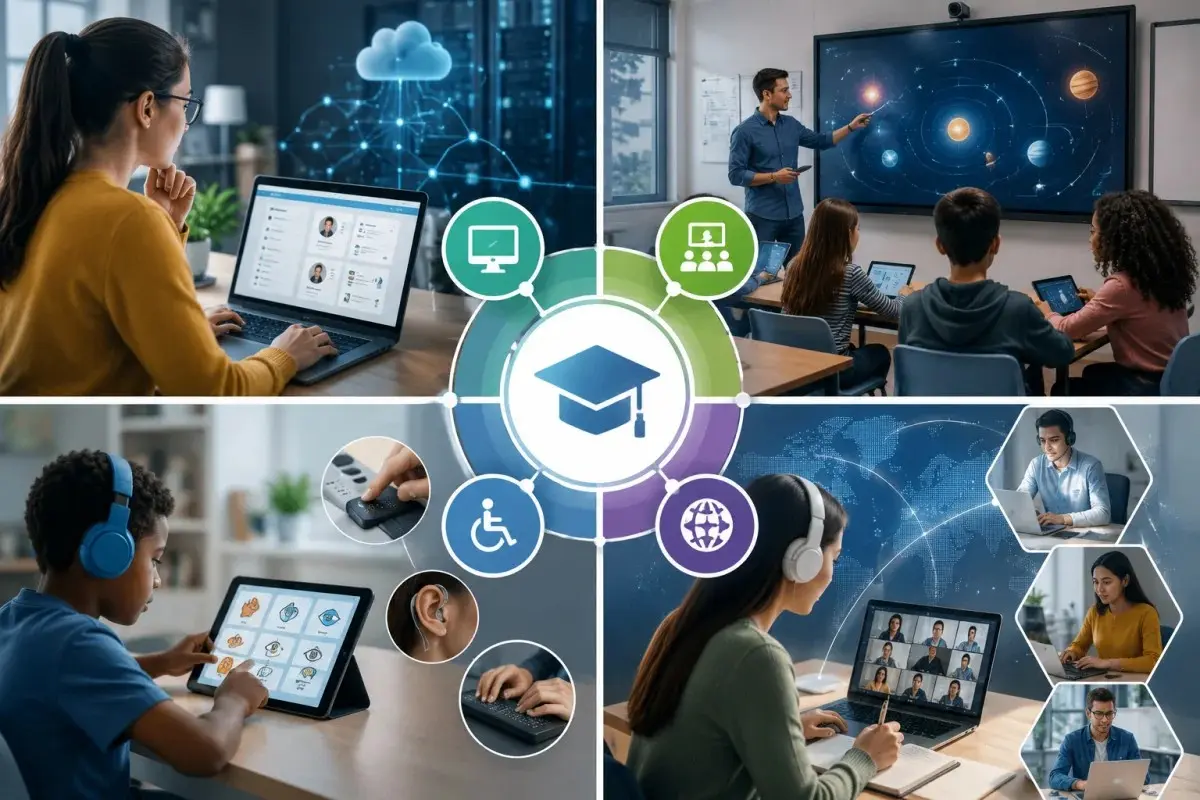
Instructional technology services come in several forms, each addressing a different aspect of how technology supports teaching and learning. Understanding these categories helps schools and organizations identify exactly what kind of support they need, whether that means managing a learning platform, integrating devices into classrooms, or ensuring accessibility for all learners. Most institutions end up using a combination of these services rather than just one, since effective technology adoption usually requires support across multiple areas at once. Below are the main categories that make up comprehensive instructional technology services.
Learning Management System (LMS) Support
Learning management systems are central to most modern instructional technology strategies, and dedicated support is often needed to use them effectively. This includes setup, configuration, integration with other tools, and ongoing troubleshooting. Instructional technology services in this area also cover training educators on how to organize content, track student progress, and use built-in analytics. Without proper LMS support, many institutions underuse these platforms, leaving valuable features untouched. Strong LMS support ensures the system becomes a genuine hub for instruction rather than just a digital filing cabinet for assignments.
Classroom Technology Integration
Classroom technology integration focuses on bringing digital tools directly into daily instruction, including interactive whiteboards, tablets, and presentation software. Instructional technology services in this category help educators move beyond simply owning devices to actually using them in ways that enhance lessons. This often involves coaching teachers on lesson design that incorporates technology naturally rather than as an afterthought. Successful integration requires ongoing support, not just a one-time training session. When done well, classroom technology becomes a seamless part of instruction that supports collaboration, creativity, and deeper student engagement.
Assistive and Accessible Technology
Assistive and accessible technology services ensure that learning tools work for students with diverse needs, including those with disabilities or learning differences. This includes screen readers, speech-to-text tools, alternative input devices, and platforms designed with accessibility standards in mind. Instructional technology services in this area often involve training staff on how to select and implement these tools appropriately for individual students. Accessibility is not an optional add-on; it is a core part of responsible instructional technology planning. Prioritizing it ensures equitable learning opportunities for every student, regardless of ability.
Blended and Hybrid Learning Tools
Blended and hybrid learning combine in-person instruction with online components, requiring technology that supports both environments smoothly. Instructional technology services here focus on tools like video conferencing platforms, asynchronous content delivery, and systems that allow teachers to manage both physical and virtual classrooms simultaneously. Support often includes training educators on how to design lessons that work across formats without duplicating effort. As blended learning becomes more common in schools and workplaces alike, this category of instructional technology services continues to grow in importance and demand. Many institutions are also exploring AI tools to personalize further and streamline blended learning experiences.
Core Services We Offer
Beyond the general categories of instructional technology, most providers deliver a specific set of hands-on services designed to support educators and institutions directly. These services form the practical foundation of any instructional technology strategy, moving beyond theory into actual implementation and support. Whether working with a school district, a university, or a corporate training team, the goal remains the same: equipping people with the skills and systems they need to teach effectively. Below are the core instructional technology services most organizations rely on.
Instructional Design Support
Instructional design support helps educators and organizations structure content in ways that align with learning objectives and audience needs. This includes designing course outlines, creating assessments, and selecting appropriate formats for delivering content, whether in person, online, or blended. Instructional technology services in this area often involve collaborating directly with subject matter experts to translate knowledge into effective, engaging lessons. Good instructional design ensures that technology enhances the learning experience rather than complicating it. This service is especially valuable for organizations building new courses or redesigning outdated training materials.
Technology Integration Coaching
Technology integration coaching provides ongoing, personalized support to help educators confidently use new tools in their teaching. Rather than a single training session, this service typically involves classroom observations, modeling lessons, and one-on-one guidance tailored to individual comfort levels. Instructional technology services in this category recognize that adopting new tools is a gradual process, not a one-time event. Coaches help identify practical ways to incorporate technology into existing lesson plans, making the transition smoother. This ongoing support significantly increases the likelihood that new tools are used effectively and consistently.
Teacher and Staff Training
Teacher and staff training ensures that everyone using instructional technology understands how to operate it correctly and confidently. This can include workshops, webinars, or self-paced courses covering specific platforms, tools, or teaching strategies. Effective training goes beyond basic functionality, helping staff understand how to use technology to improve instruction genuinely. Instructional technology services in this area are often customized based on staff experience level and institutional goals. Well-trained staff is more likely to embrace new tools, reducing resistance and ensuring that technology investments deliver real value in the classroom.
Curriculum Technology Alignment
Curriculum technology alignment ensures that the tools and platforms being used actually support the curriculum being taught, rather than existing separately from it. This involves reviewing existing curriculum goals and identifying where technology can enhance delivery, assessment, or engagement. Instructional technology services in this area help prevent the common issue of using flashy tools that do not actually connect to learning objectives. Proper alignment ensures that every piece of technology serves a clear instructional purpose, creating a more cohesive and effective learning experience for students across subjects and grade levels.
How Instructional Technology Is Implemented
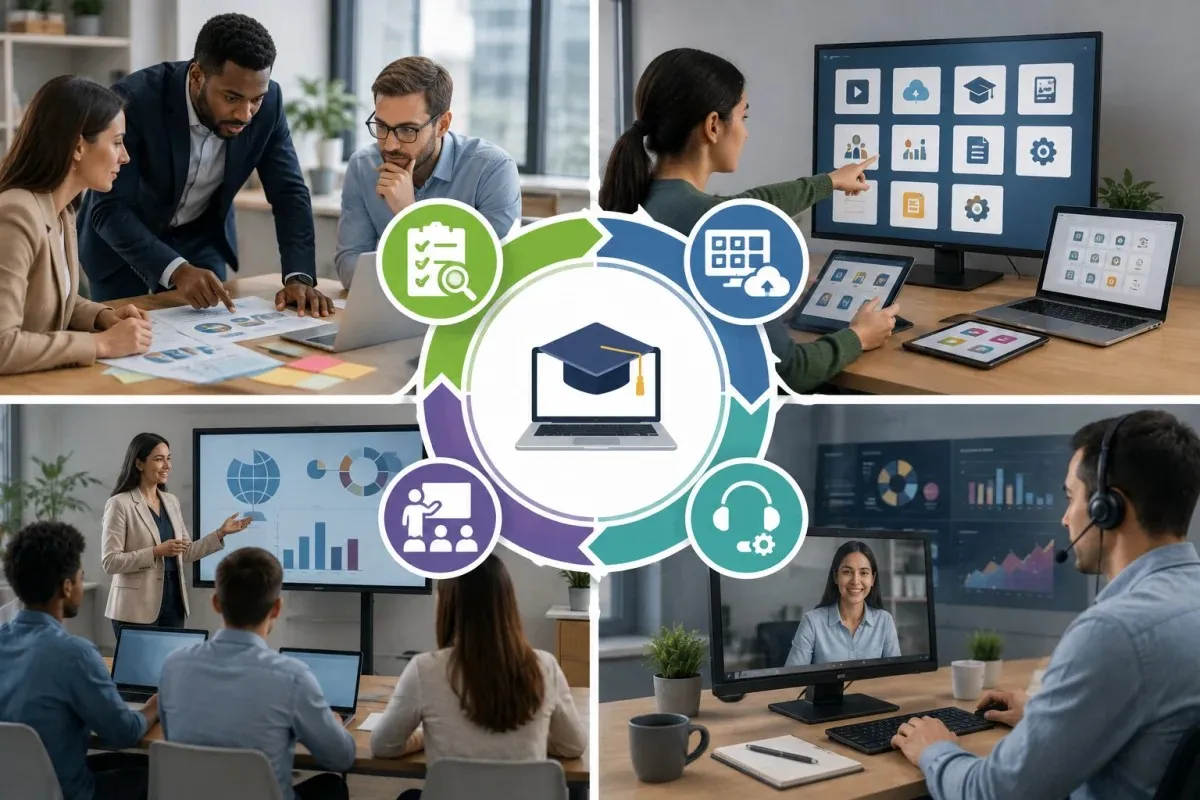
Successful implementation of instructional technology does not happen by accident. It requires a structured process that moves from assessment to planning, training, and evaluation. Skipping steps or rushing adoption often leads to underused tools and frustrated staff. Instructional technology services are built around this process, ensuring that every stage receives proper attention rather than treating technology adoption as a single event. Understanding this process helps institutions set realistic expectations and allocate resources effectively. Below is how instructional technology is typically implemented from start to finish.
Needs Assessment and Planning
Every successful implementation begins with a thorough needs assessment to understand current gaps, goals, and available resources. This involves gathering input from teachers, administrators, and sometimes students to identify what challenges technology should solve. Instructional technology services at this stage often include surveys, classroom observations, and reviews of existing tools already in use. Planning follows directly from this assessment, outlining specific goals, timelines, and success metrics. Skipping this step often leads institutions to invest in tools that do not actually address their real instructional needs.
Tool Selection and Rollout
Once needs are clearly defined, the next step involves selecting tools that genuinely fit those requirements rather than simply choosing popular platforms. This includes evaluating cost, ease of use, integration with existing systems, and accessibility features. Instructional technology services help guide this decision-making process, often through pilot programs before a full rollout. A phased rollout allows for troubleshooting on a smaller scale before expanding institution-wide. This approach reduces disruption and helps identify potential issues early, making full implementation smoother and more successful across departments or classrooms.
Training and Adoption
Training is one of the most critical stages of implementation, directly influencing whether new technology gets used effectively or abandoned. Instructional technology services typically provide multiple training formats, including hands-on workshops, video tutorials, and ongoing coaching sessions. Adoption improves significantly when training is spaced out over time rather than delivered in a single session. Encouraging peer support and creating internal champions within departments also helps drive adoption. Without adequate training, even the most powerful tools risk becoming underused, making this stage essential to overall implementation success.
Ongoing Support and Evaluation
Implementation does not end once training is complete. Ongoing support ensures that educators have somewhere to turn when questions or issues arise after initial rollout. Instructional technology services typically include help desks, refresher training sessions, and regular check-ins with staff. Evaluation is equally important, involving data collection on usage rates, student outcomes, and staff feedback. This information helps identify what is working and where adjustments are needed. Continuous support and evaluation transform instructional technology from a one-time initiative into a sustainable, evolving part of institutional teaching practices.
Instructional Technology by Use Case
Instructional technology services look different depending on the setting in which they are applied. A K-12 classroom has different needs than a corporate training department, and a university faces different challenges than a fully remote learning program. Recognizing these differences helps institutions select services and tools that actually fit their environment rather than applying a generic approach. Below is how instructional technology services typically apply across the most common use cases, each with its own priorities, tools, and implementation strategies.
K-12 Schools
In K-12 settings, instructional technology services focus heavily on age-appropriate tools, classroom management, and building foundational digital literacy skills. This includes learning management systems designed for younger students, interactive whiteboards, and adaptive learning software that adjusts to individual student pace. Teacher training is especially important at this level, since many educators are balancing technology use with classroom management and diverse learning needs. Instructional technology services in K-12 environments also prioritize parent communication tools and platforms that support both in-class and at-home learning reinforcement.
Higher Education
Higher education institutions rely on instructional technology services to support larger, more independent student populations across diverse disciplines. This often includes robust learning management systems, lecture capture tools, and platforms that support both in-person and online course delivery. Faculty training is a major focus, since professors often have deep subject expertise but limited technology experience. Instructional technology services in higher education also support hybrid and fully online degree programs, requiring careful attention to accessibility, scalability, and consistent course design across multiple departments and instructors.
Remote and Online Learning
Remote and online learning environments depend almost entirely on instructional technology to function effectively. Services in this category focus on video conferencing platforms, asynchronous content delivery, and tools that facilitate communication between students and instructors who are not physically present together. Instructional technology services here also address common challenges like maintaining engagement without in-person interaction and ensuring equitable access to reliable internet and devices. Strong instructional design becomes especially important in remote settings, since technology must carry much of the instructional weight that a physical classroom would otherwise provide.
Corporate and Workforce Training
In corporate settings, instructional technology services support employee onboarding, compliance training, and ongoing professional development. This often involves learning management systems tailored for workforce training, along with microlearning platforms that deliver content in short, focused sessions. Instructional technology services in this space prioritize measurable outcomes, such as completion rates and skill assessments, to demonstrate training effectiveness. Unlike traditional education settings, corporate training often emphasizes speed and scalability, requiring instructional technology solutions that can be deployed quickly across large, geographically dispersed teams while still maintaining quality and consistency.
Instructional Technology Services: Comparisons
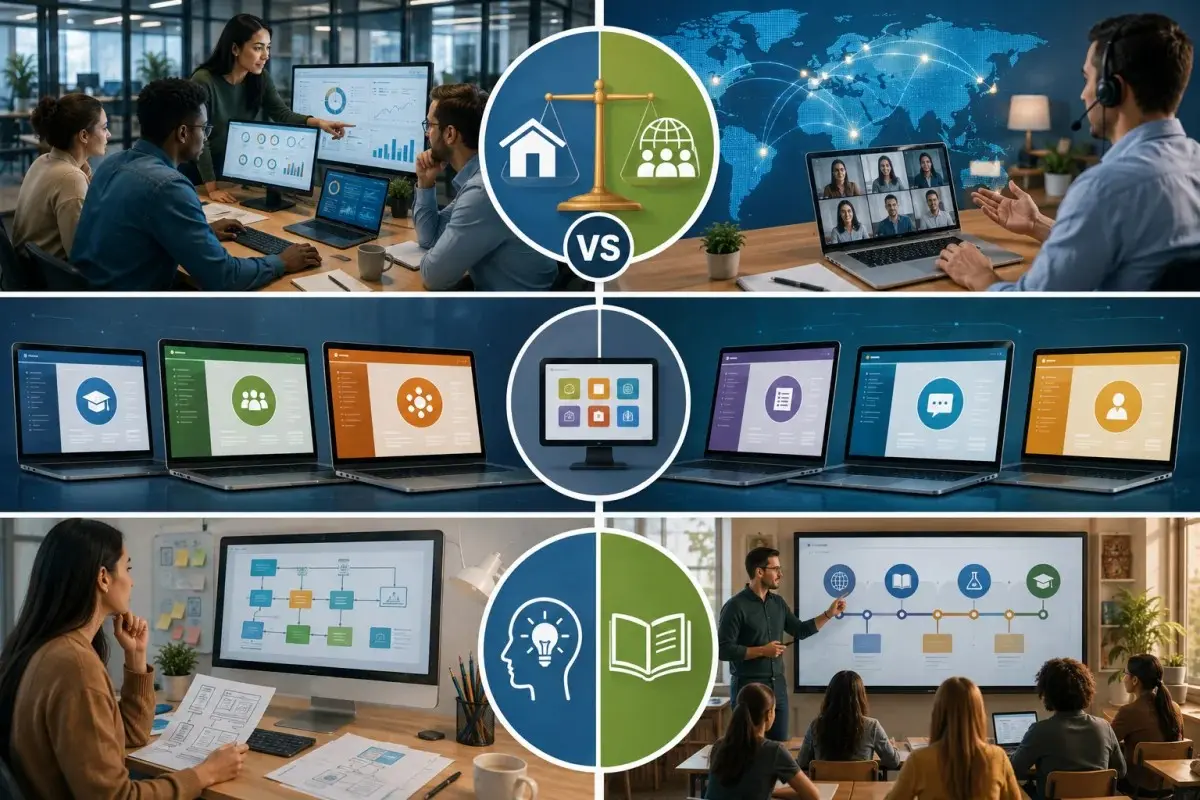
Choosing the right approach to instructional technology often involves weighing different options against one another. Institutions must decide between building internal expertise or outsourcing support, and they often need to compare platforms or related disciplines to make informed decisions. Understanding these comparisons helps organizations avoid costly mistakes and select the path that best fits their budget, goals, and existing resources. Below are some of the most common comparisons institutions consider when evaluating instructional technology services.
In-House vs. Outsourced Services
Institutions must decide whether to build an internal instructional technology team or outsource to specialized providers. In-house teams offer deeper familiarity with institutional culture and immediate availability, but require ongoing investment in salaries, training, and retention. Outsourced instructional technology services provide access to broad expertise and proven processes without the overhead of building a full department. Smaller institutions often benefit more from outsourcing, while larger organizations with consistent, high-volume needs may find long-term value in developing internal capacity. Many institutions ultimately use a hybrid of both approaches.
Popular LMS Platforms Compared
Learning management systems vary significantly in features, cost, and ease of use, making comparison an essential part of instructional technology planning. Some platforms prioritize simplicity and ease of adoption, making them well suited for K-12 environments, while others offer more robust features geared toward higher education or corporate training. Instructional technology services often include guidance on comparing platforms based on integration capabilities, scalability, and user experience. Choosing the wrong LMS can lead to low adoption rates, so this comparison process deserves careful attention rather than being based solely on cost or popularity.
Instructional Design vs. Curriculum Design
While closely related, instructional design and curriculum design serve different purposes within education. Curriculum design focuses on the broader scope and sequence of what students learn over time, often across an entire course or program. Instructional design zooms in on how individual lessons or modules are structured to achieve specific learning outcomes. Instructional technology services often bridge these two disciplines, ensuring that curriculum goals are effectively translated into well-designed, technology-supported lessons. Understanding this distinction helps institutions know which type of expertise they need when planning new programs or courses.
Frequently Asked Questions
Institutions and educators considering instructional technology services often have similar questions before moving forward. Addressing these common concerns upfront helps clarify what to expect in terms of cost, scope, and outcomes. Below are answers to some of the most frequently asked questions about instructional technology services.
How much do instructional technology services cost?
Costs vary widely depending on the scope of services, institution size, and whether support is provided in-house or outsourced. Basic consulting or training packages may cost a few thousand dollars, while comprehensive, ongoing instructional technology services for large districts or universities can run into six figures annually. Factors like the number of tools involved, staff training needs, and platform licensing fees all influence final pricing. Most providers offer customized quotes based on a needs assessment, so institutions should request a detailed proposal before comparing costs across different providers.
Who needs instructional technology services?
Any organization that relies on teaching or training, whether in schools, universities, or workplaces, can benefit from instructional technology services. This includes K-12 districts modernizing classrooms, universities managing hybrid programs, and companies delivering employee training at scale. Even organizations with existing technology often need support to use it effectively, since owning tools does not guarantee proper implementation. Institutions experiencing low engagement, inconsistent training outcomes, or underused platforms are especially strong candidates for instructional technology services, regardless of their size or sector.
What does an instructional technologist do?
An instructional technologist bridges the gap between education and technology, helping institutions select, implement, and optimize digital tools for teaching. Their responsibilities often include training educators, designing technology-enhanced lessons, troubleshooting platforms, and evaluating tool effectiveness. Many instructional technologists also collaborate closely with instructional designers and IT departments to ensure systems work smoothly together. This role requires a blend of pedagogical knowledge and technical skill, making instructional technologists essential for institutions aiming to use technology in ways that genuinely improve learning outcomes rather than adding unnecessary complexity.
How do I get started?
Getting started with instructional technology services typically begins with a needs assessment to identify current gaps and goals. From there, institutions can explore whether in-house support, outsourced providers, or a hybrid approach best fits their budget and resources. Requesting proposals from experienced providers allows for direct comparison of services, pricing, and expertise. Starting with a smaller pilot program before full-scale implementation can also help institutions test effectiveness without significant upfront risk, making the transition into broader instructional technology services smoother and more manageable.


